

Interior design is not just a combination of style and furnishings, it is a refection of our inner world, our preferences and feelings. But what if we take it a step further and transform walls, floors and ceilings into unique artistic designs? An interior in the style of optical illusion can not only surprise, but also change the perception of space, and create an atmosphere and depth that is difficult to convey in words.
The magic of optical illusions
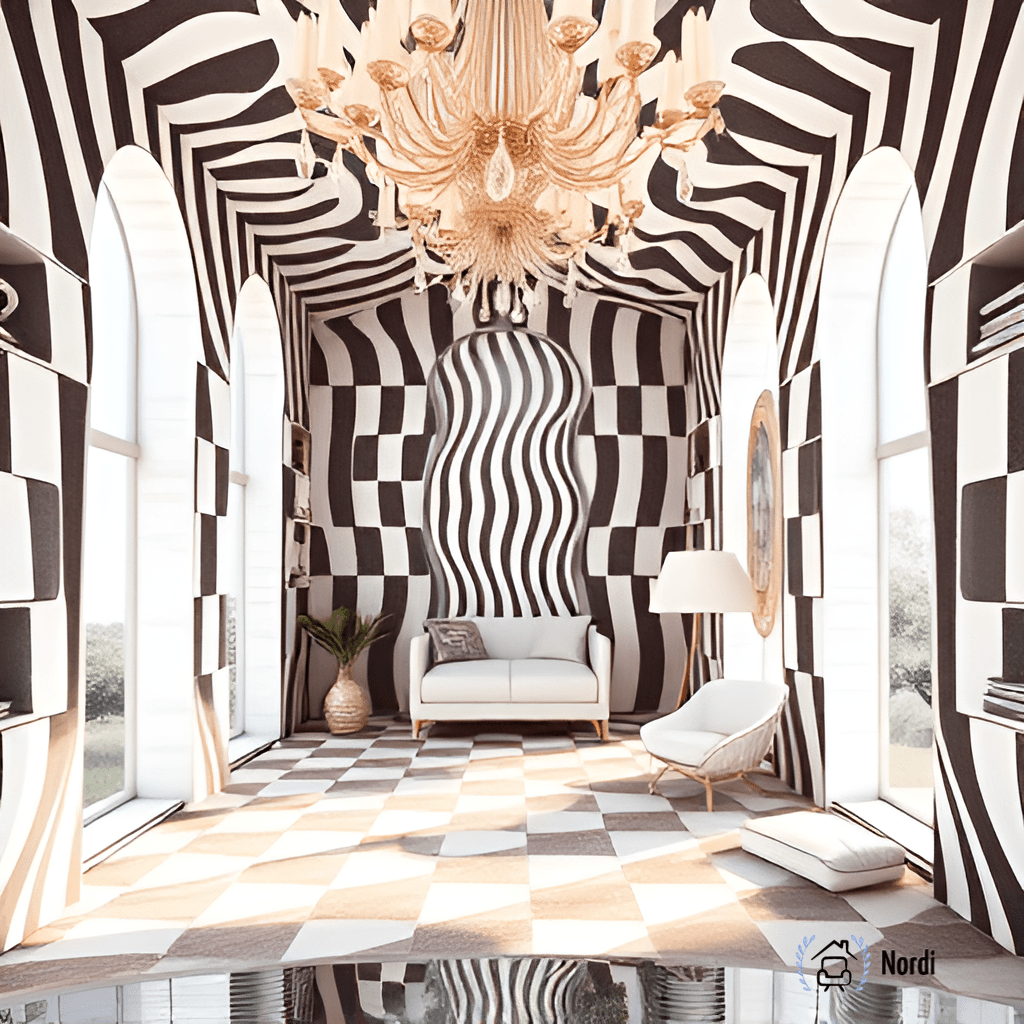
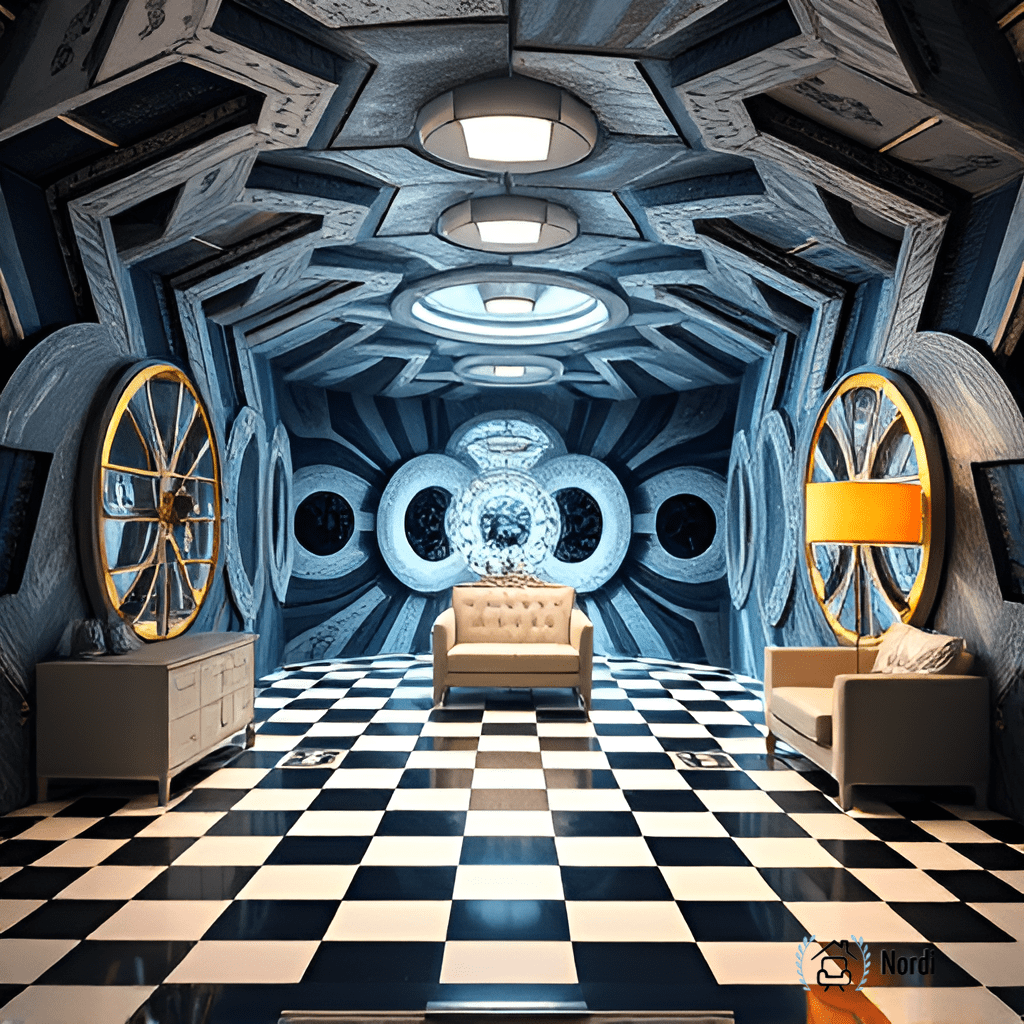
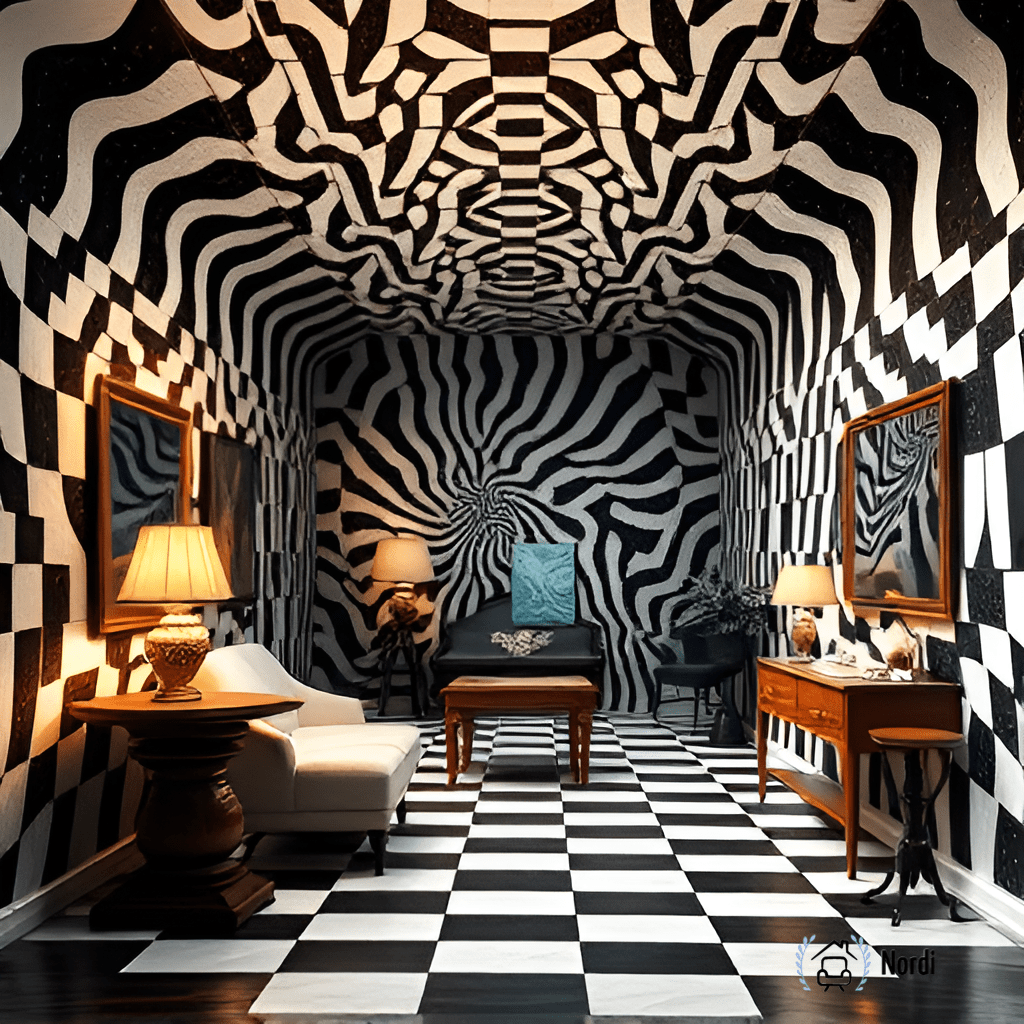
Optical illusions are visual tricks that distort our perception by creating the effect of movement, depth, or even three-dimensionality. In the interior space, these illusions can be achieved by using various techniques, such as wall painting, the use of mirrors and a special play of light and shadow. These elements create a dynamic zone that constantly changes depending on the viewing angle and lighting.
Painting as a basis
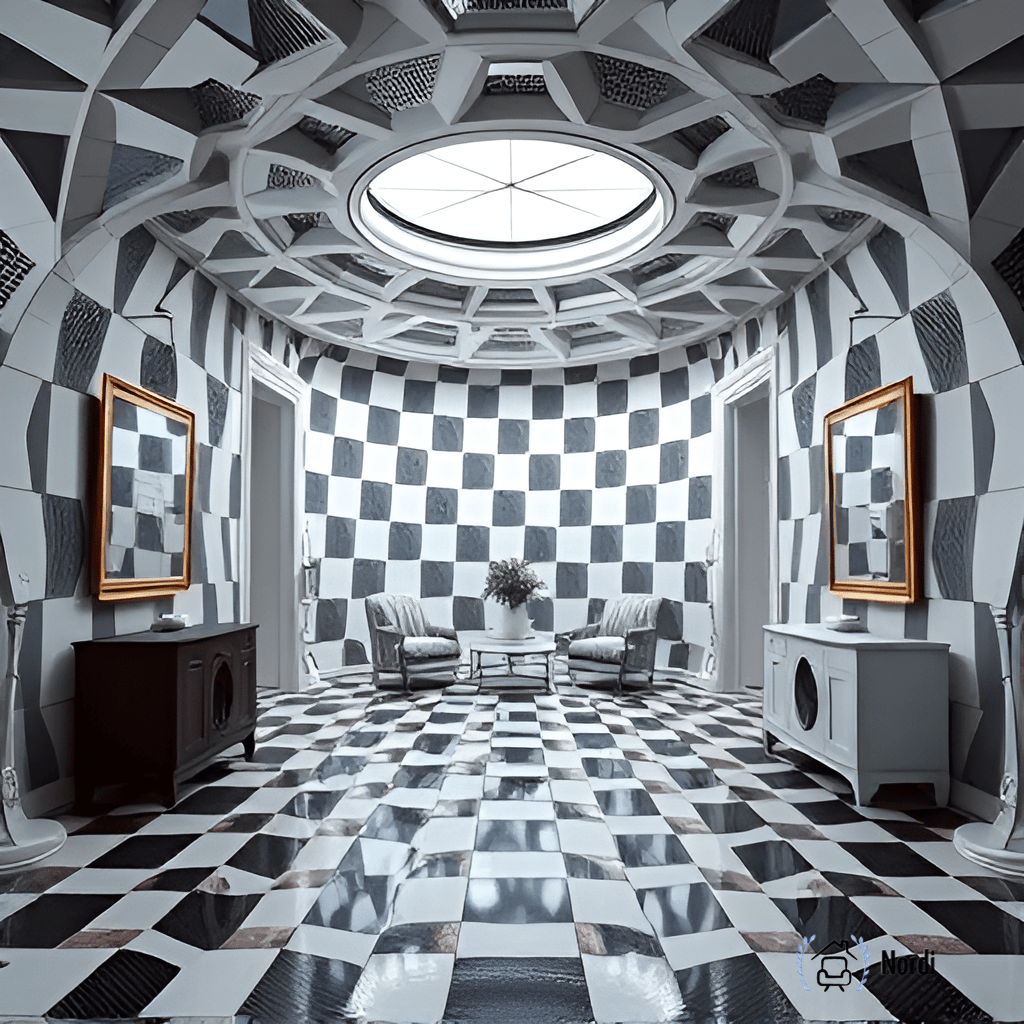
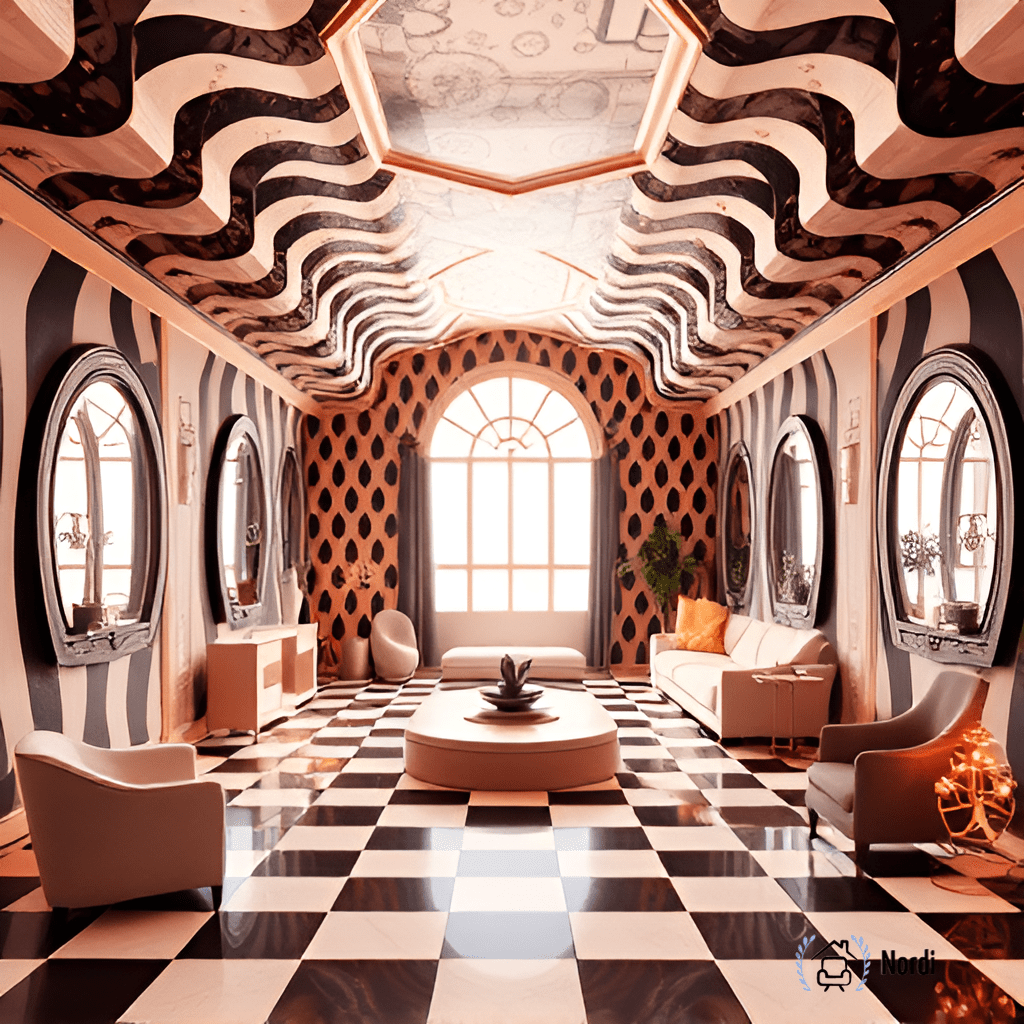
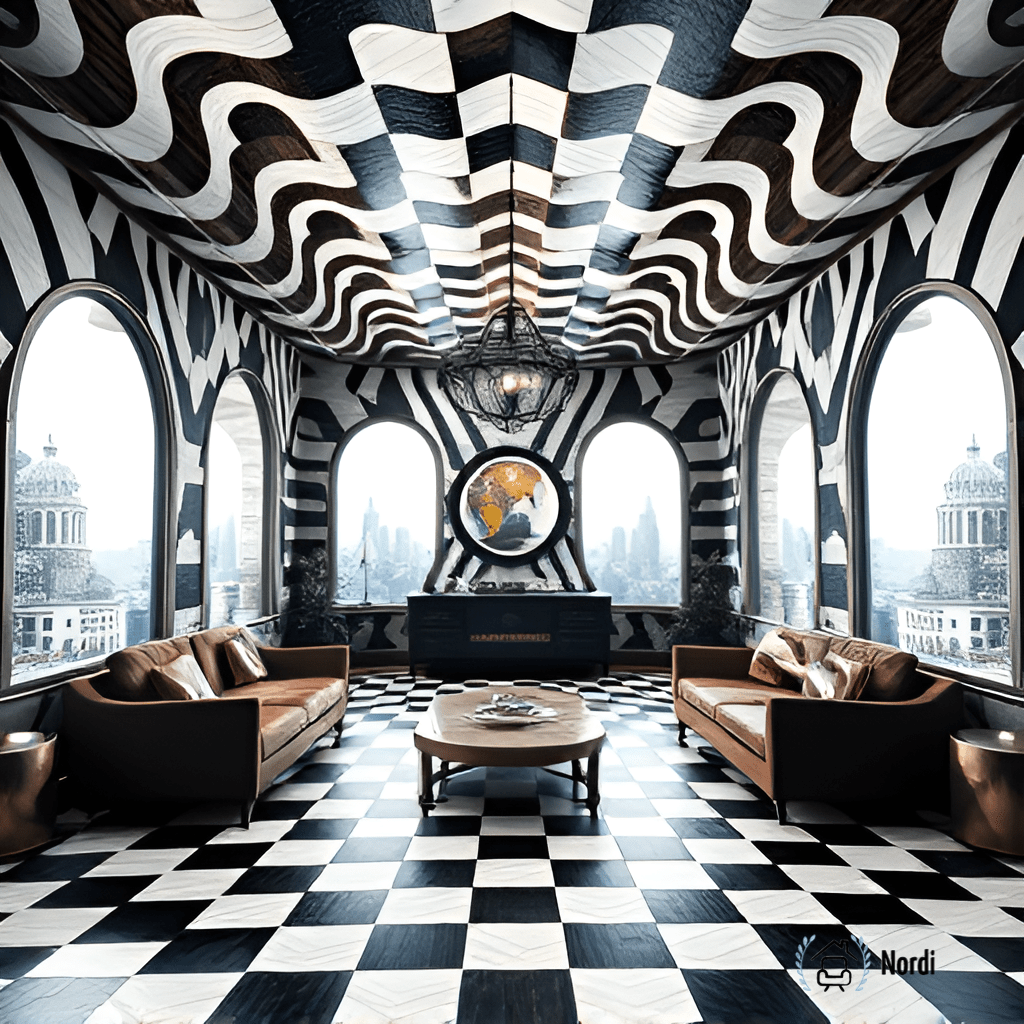
One of the most effective ways to create an optical illusion in a chamber is to paint the walls. Artists and designers can create spectacular compositions which, for example, visually increase the height of the ceiling or the depth of the room. 3D images, such as stairs, arches or doors can make a space appear larger than it actually is and, in addition, painting allows you to introduce individuality and style, creating a unique work of art.
Using mirrors
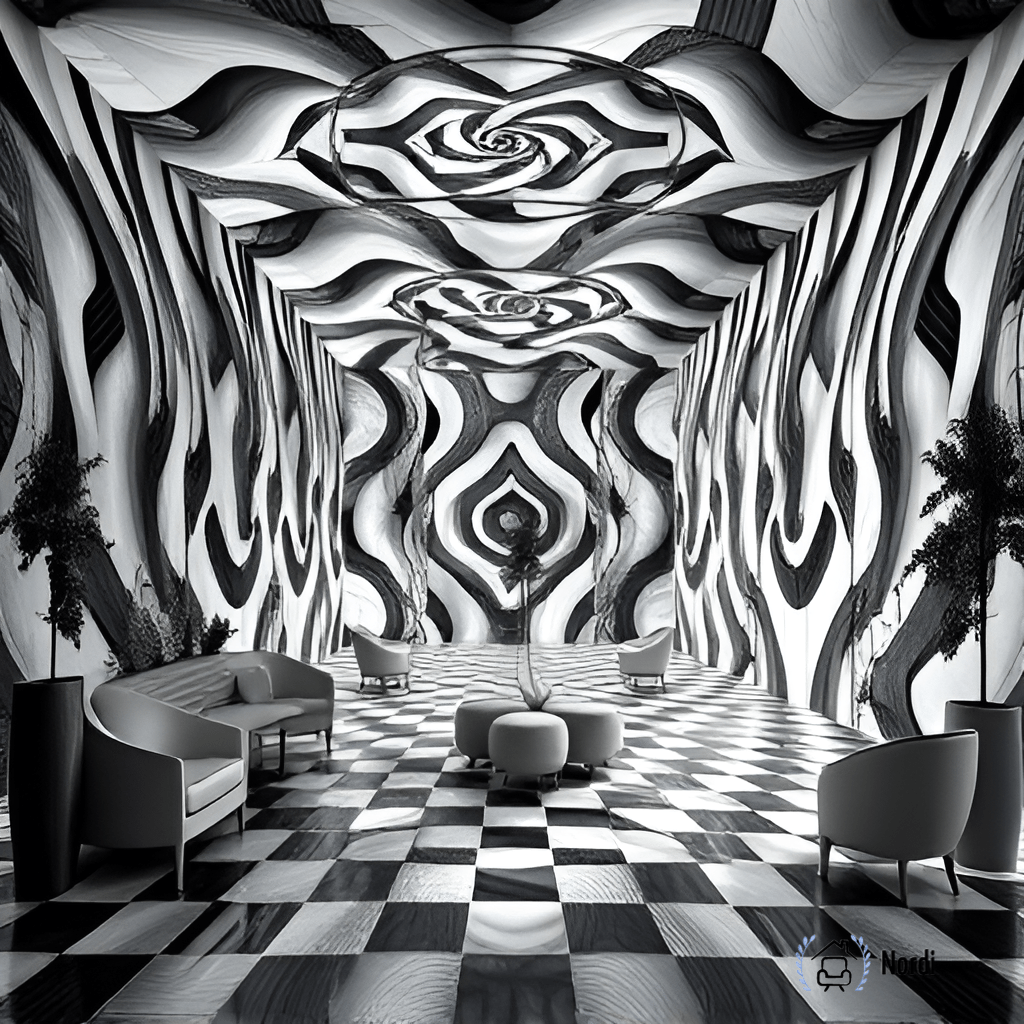
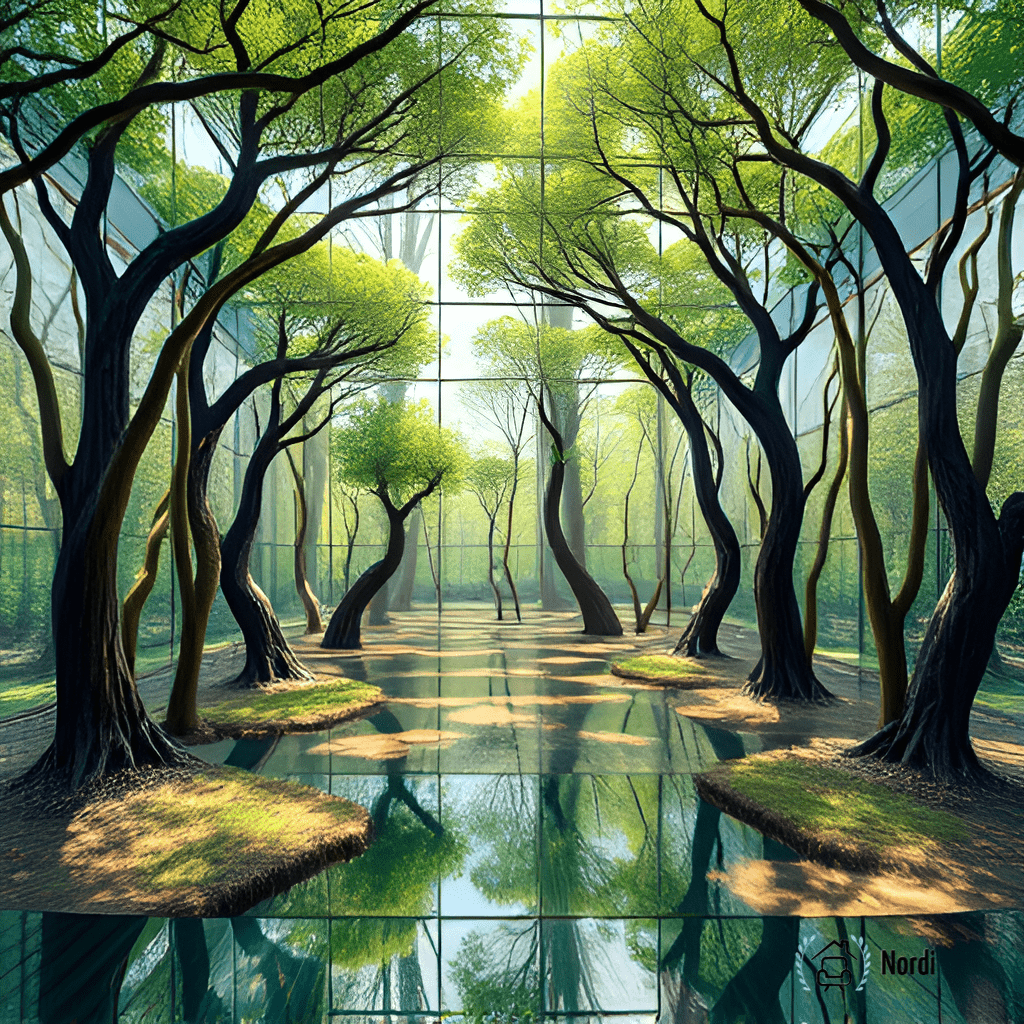

Mirrors are another powerful tool in the arsenal of creating optical illusions. Correctly placed mirrors can create an infinity effect, visually expanding the space and reflecting light. A mirror placed opposite a window will not only increase the amount of light in the room, but also create the illusion of more space. Mirror surfaces can be used not only on walls, but also on furniture, adding dynamics and style.
Play of light and shadow
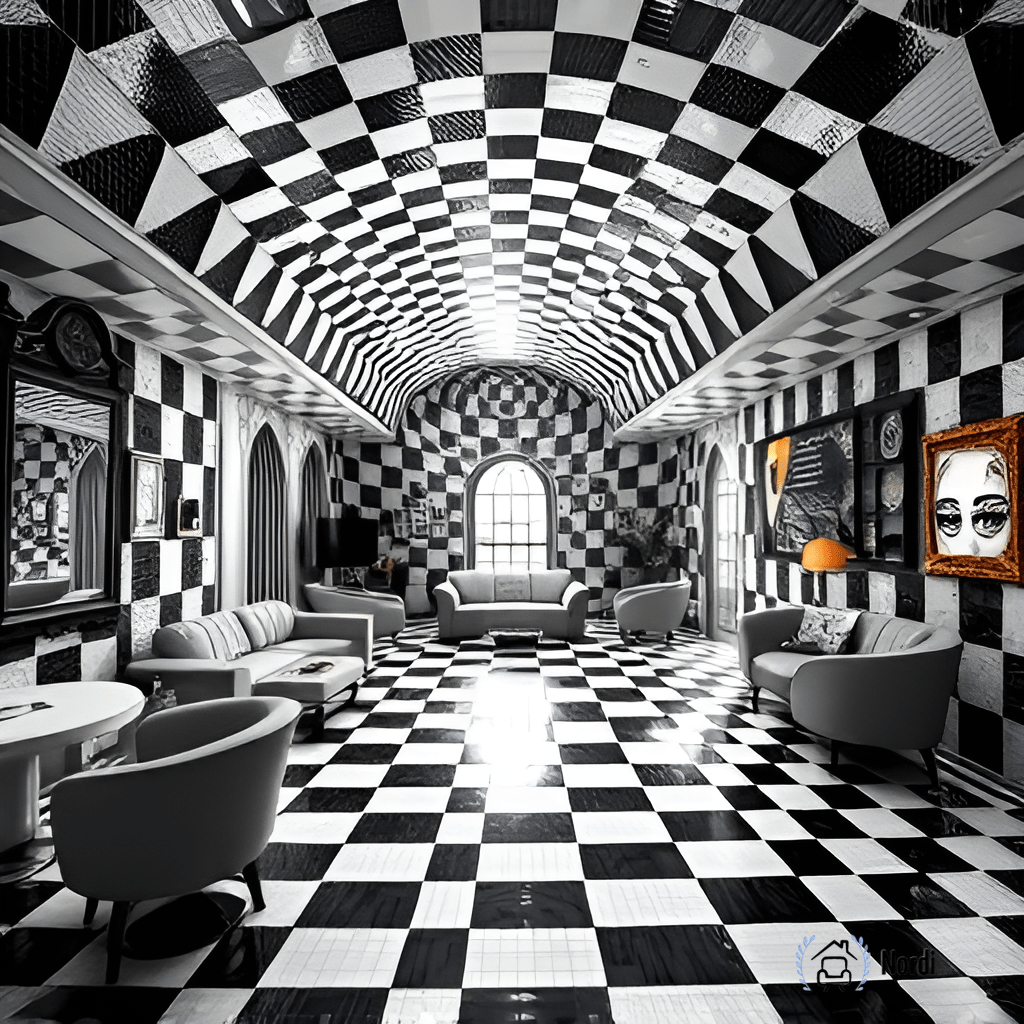
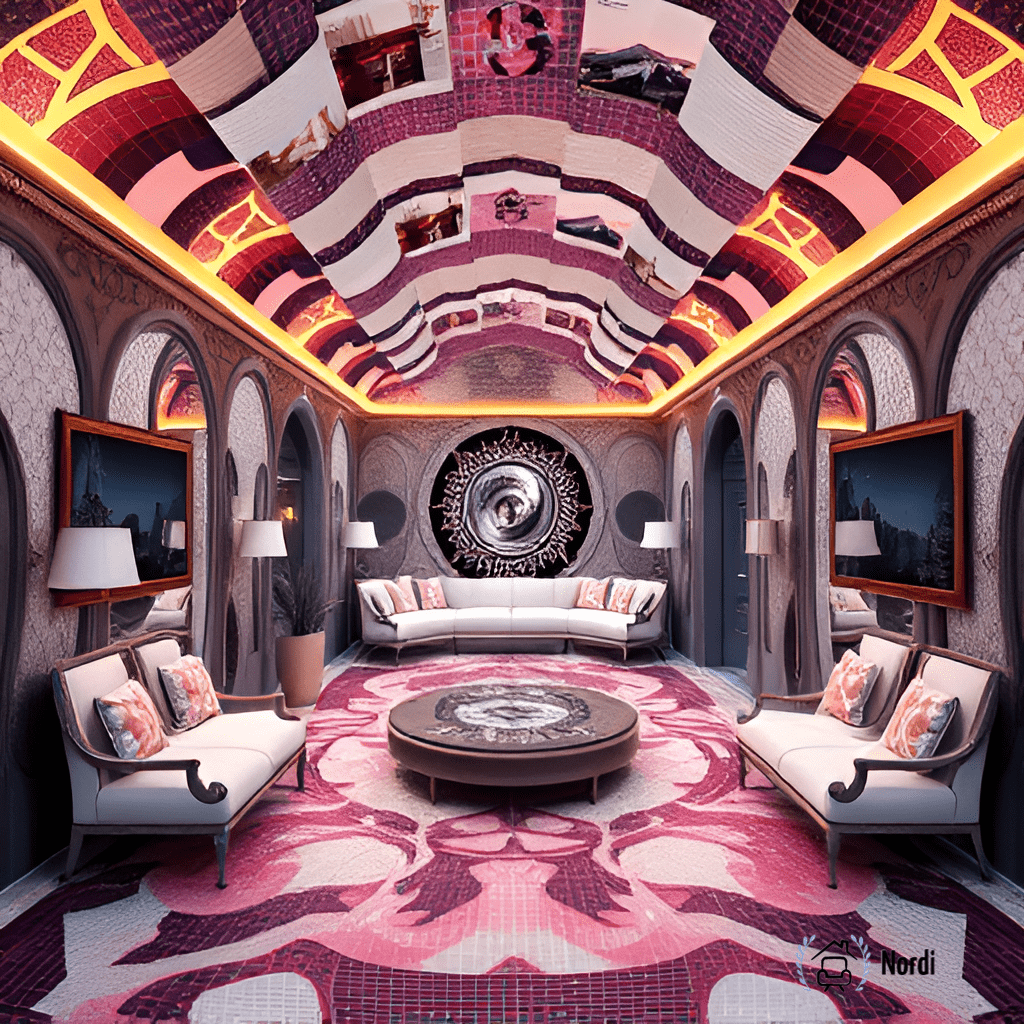
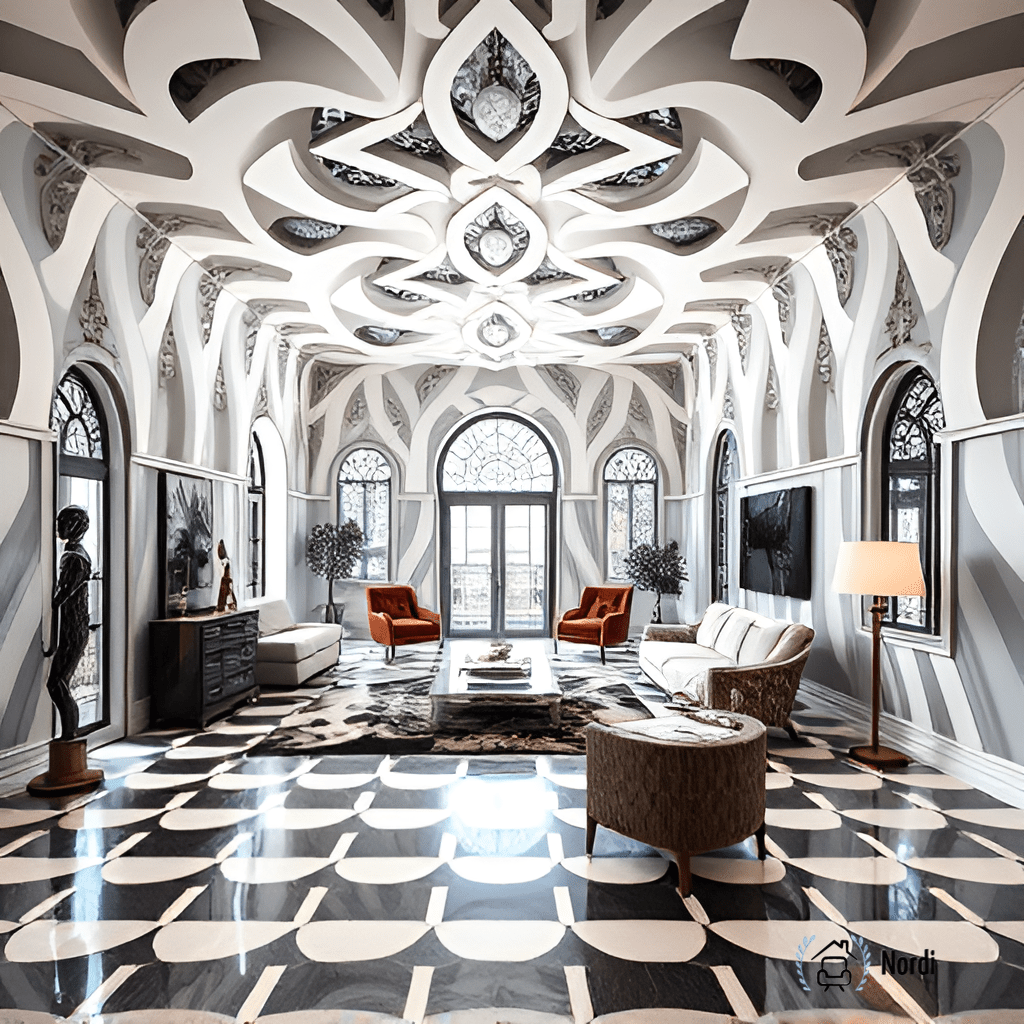
Proper lighting plays a key role in creating optical illusions. Using different light sources, you can focus attention on precise interior elements and create arresting shadows. LED strips, integrated into architectural elements, can add depth and volume, and change the awareness of the shape and size of the space. This approach allows you to create a perspective that will change depending upon the time of day.
Application in various types of interior
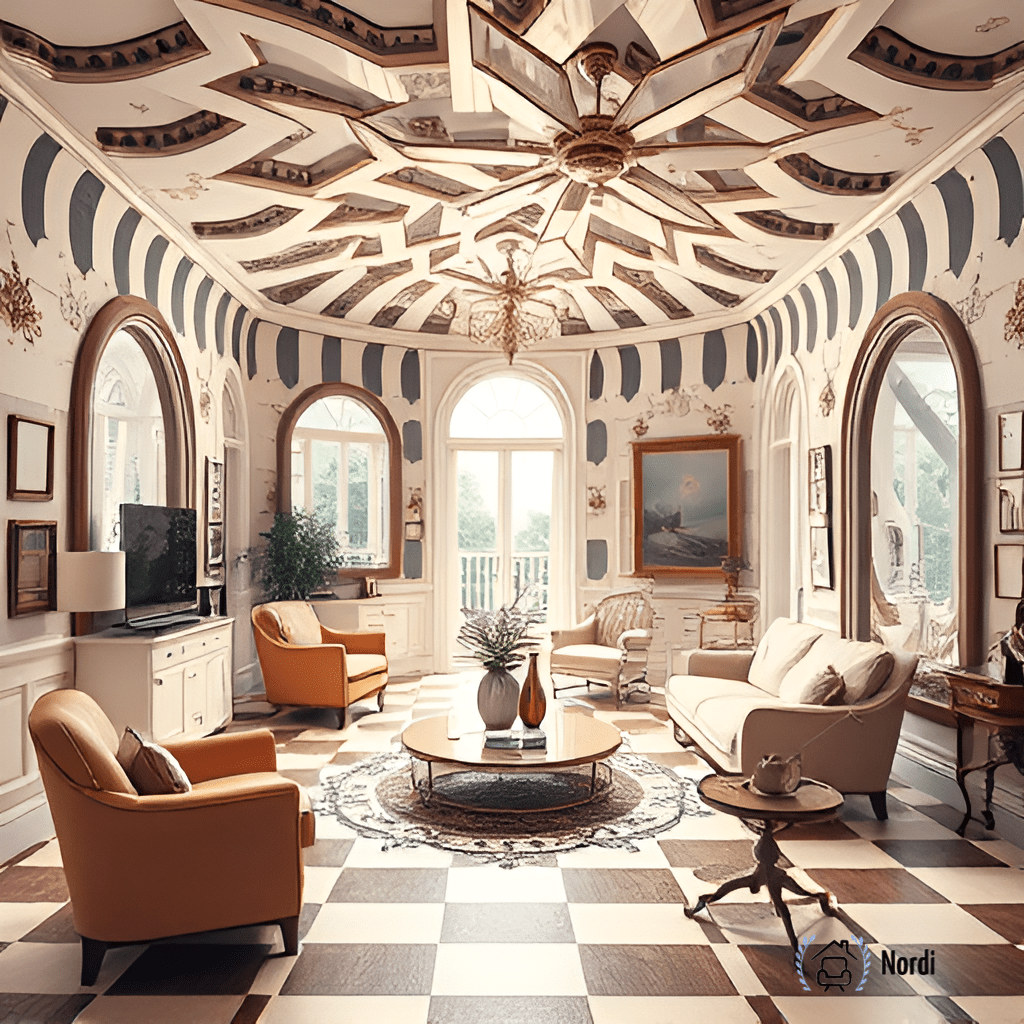
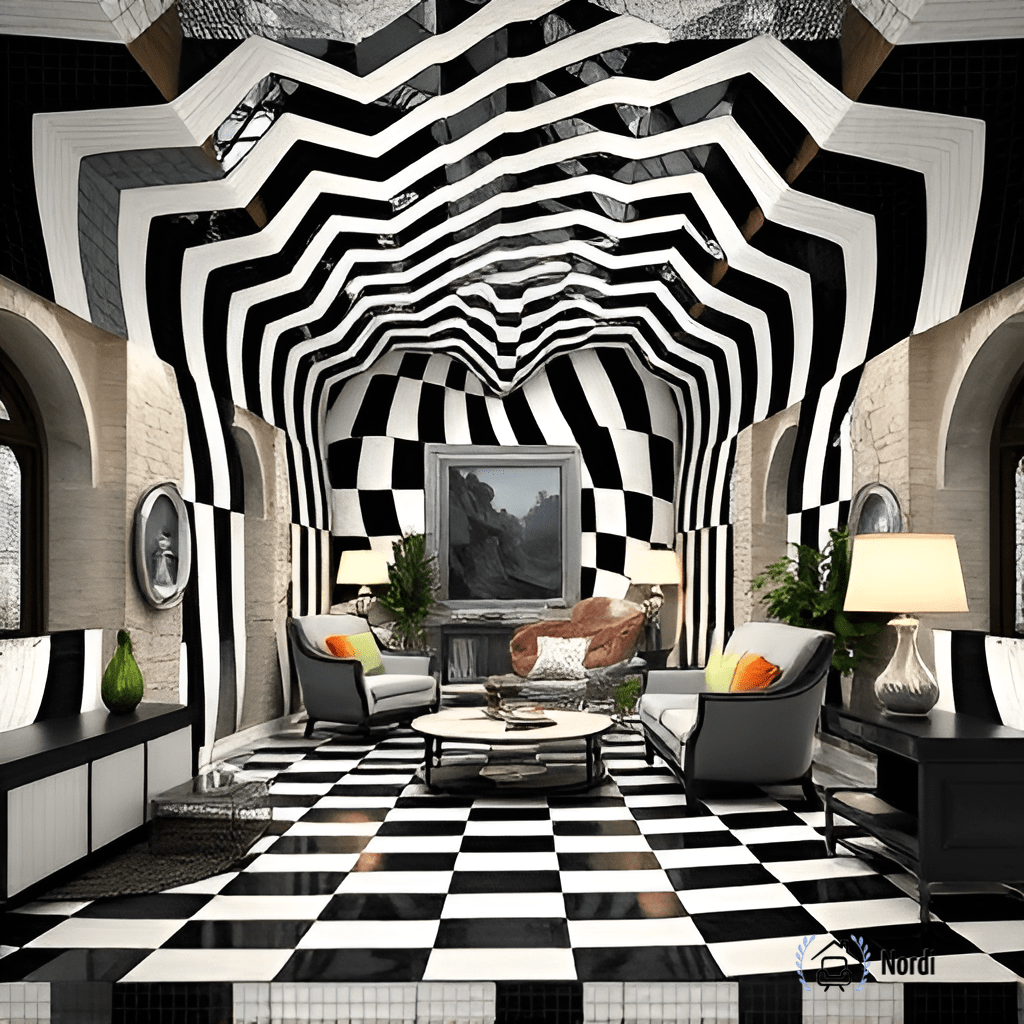
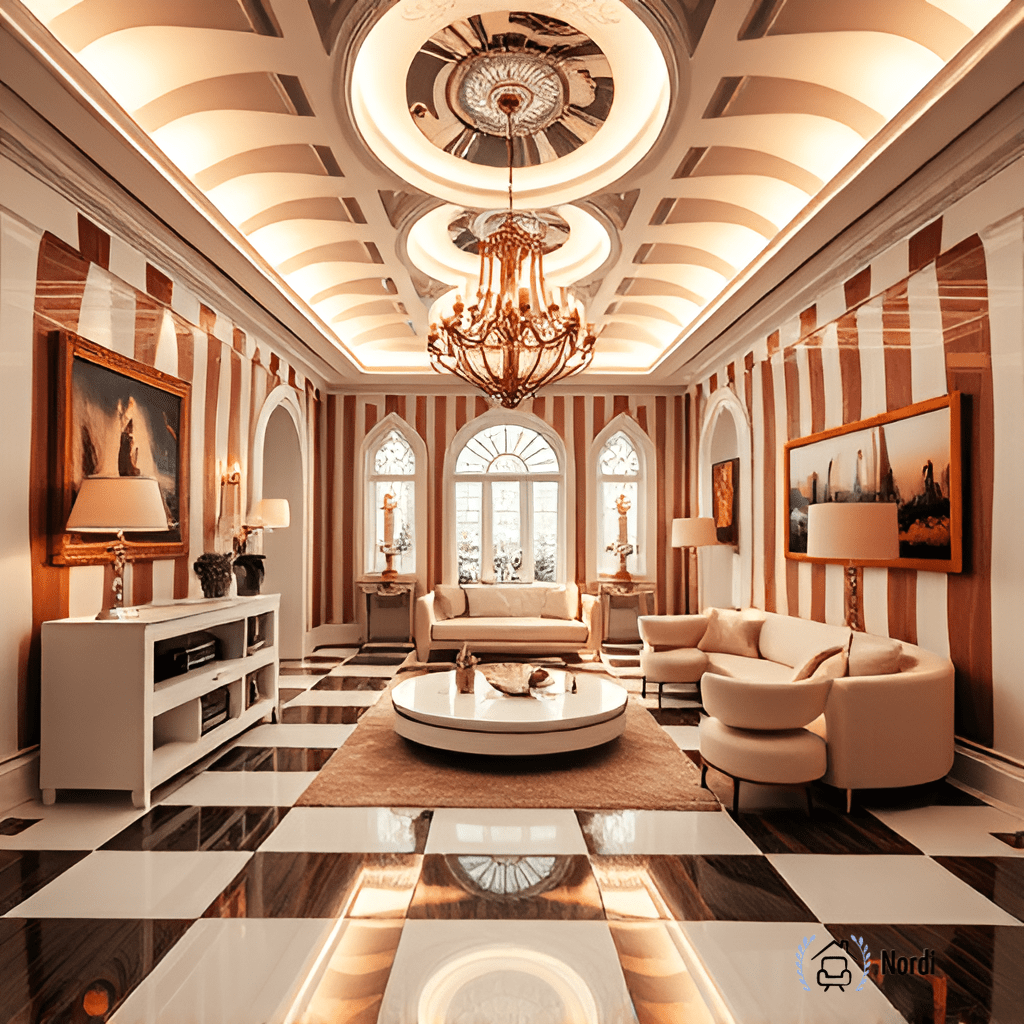
An interior in the style of an optical illusion can be appropriate in a variety of spaces – from residential apartments to commercial units. In restaurants and cafes, such solutions attract the attention of customers, creating an attentive reaction. In living spaces, optical illusions can help solve the problem of small spaces, visually expanding them and adding originality.
Conclusion
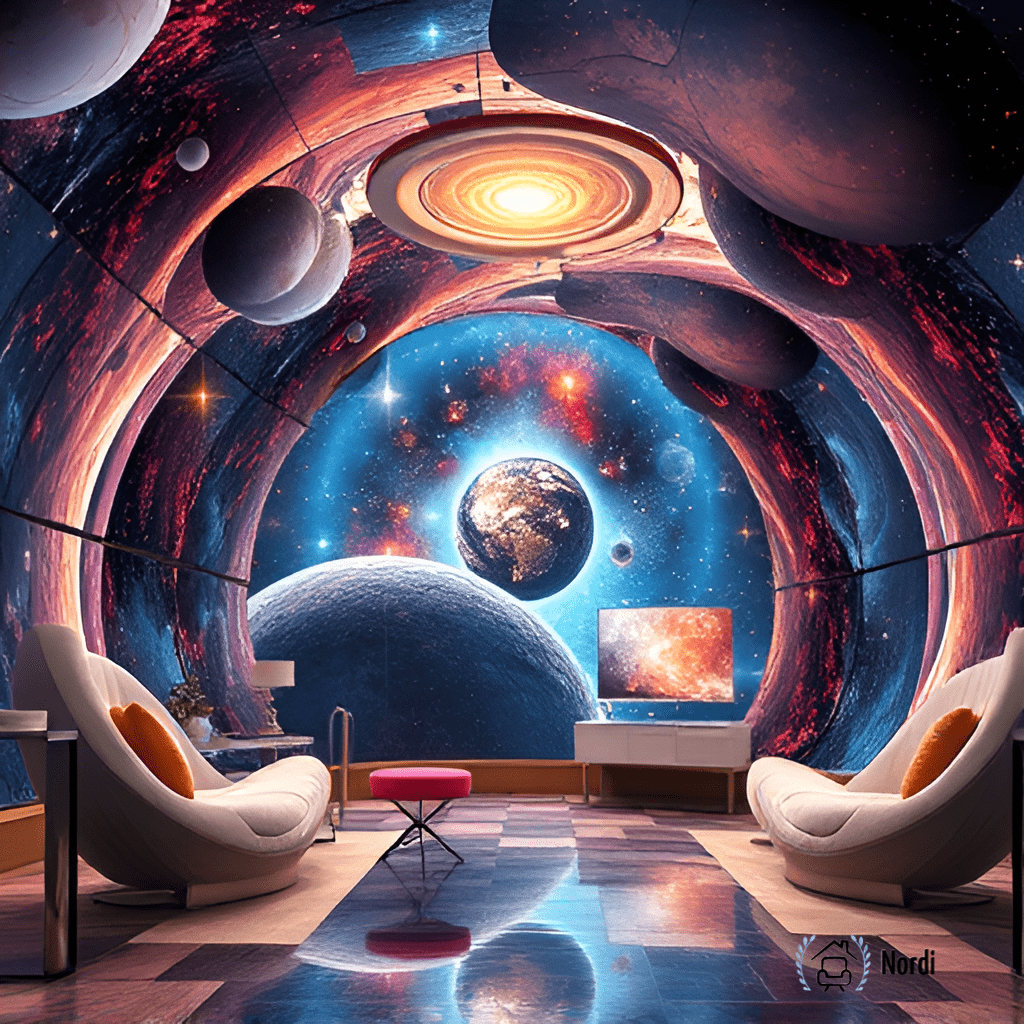
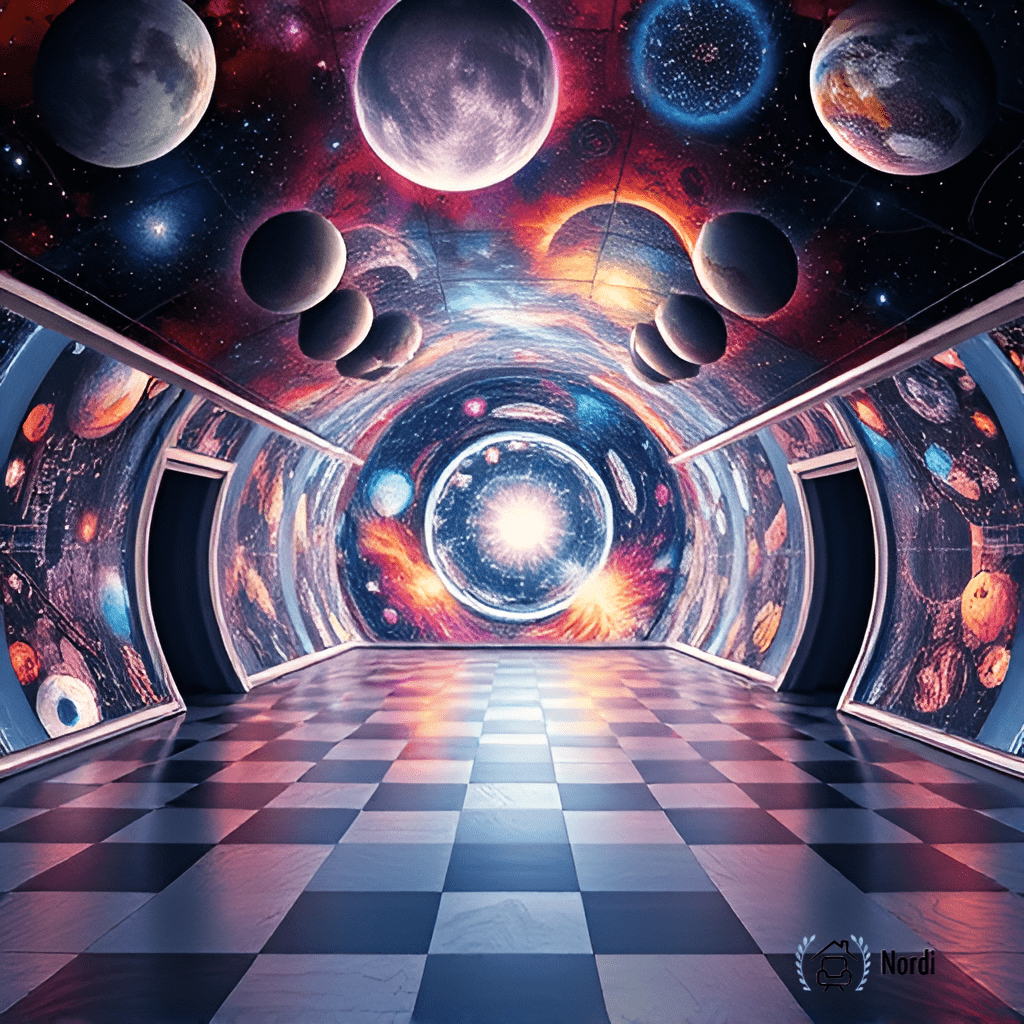
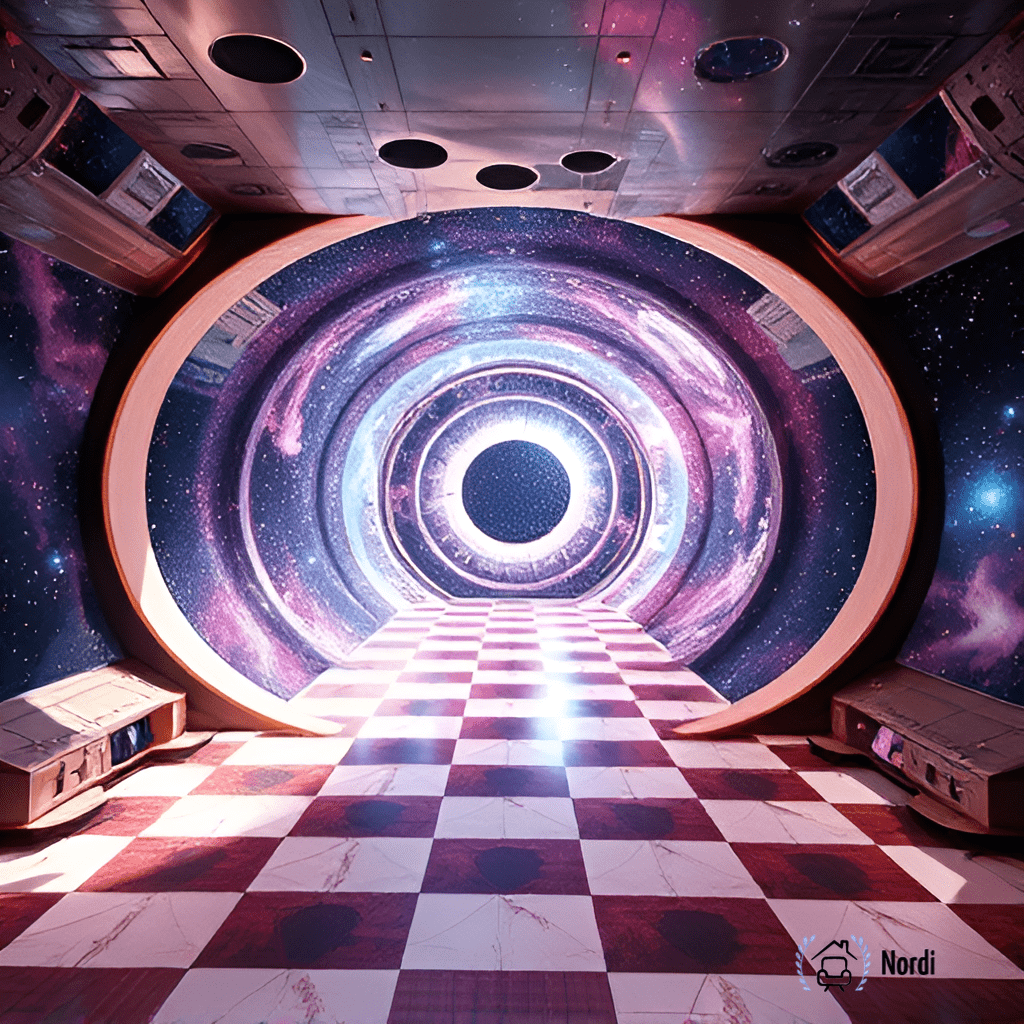
An optical illusion type of interior is not just a fashion trend, but a way to create an exclusive space that reflects the personality and style of the owner. With the help of painting, mirrors and the play of light, you can not only visually expand the room, but also turn it into a real art object. This approach allows each of us to become the designer of our own space, creating an impression that inspires the mind and pleases the eye. In a world where the boundaries between art and life are blurring, optical illusions are becoming an important and fascinating element of interior design, capable of surprising and motivating.
One response to “Interior design in the style of optical illusion: when space becomes art”
A searching of creating a different perspective of a simple 4 walls to please the sight. Stimulation of the senses is what design is about. Brilliant article. Indeed