


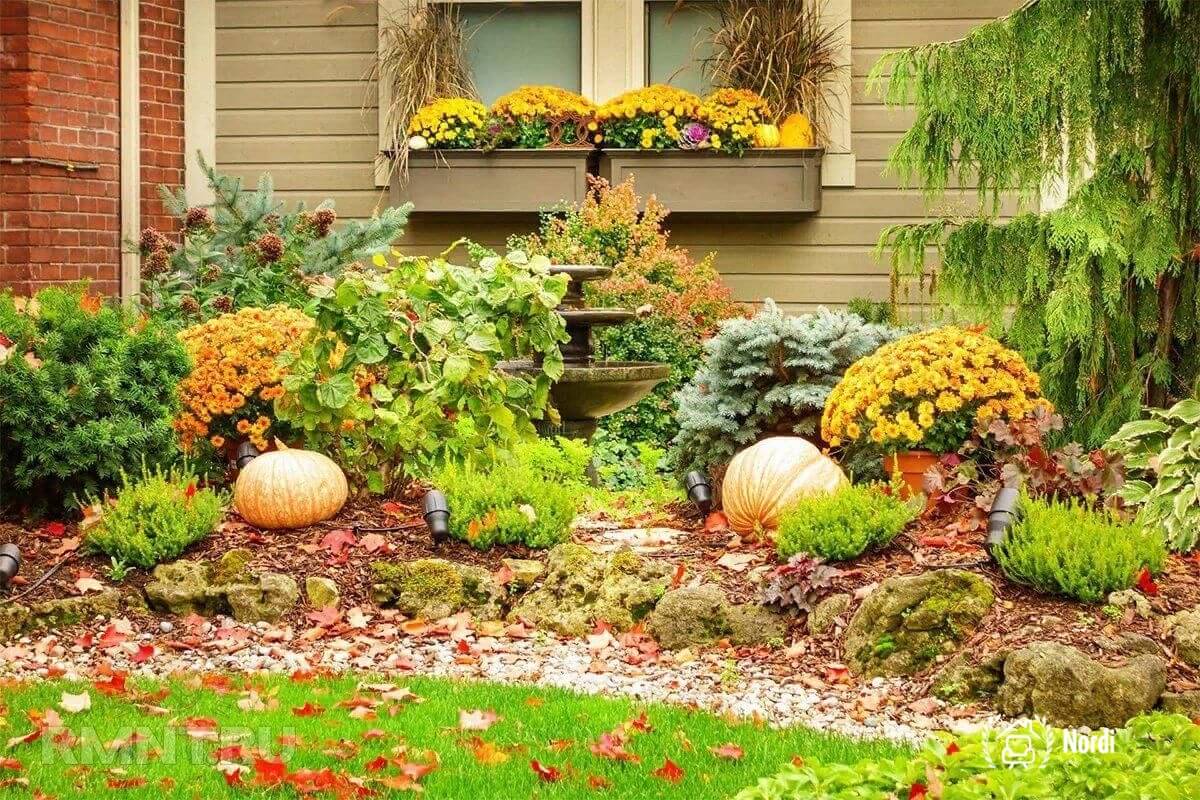
Autumn is not the time to put away your tools and turn a blind eye to horticulture. It is the season when our gardens can take on a new lease of life: the hot summer colours are replaced by the warm shades of maple leaves, and flower beds become the stage for dramatic compositions of autumn flowers and textures. As a designer, I look for plants that have a lasting effect, work well together and allow me to extend the flowering season by creating compositions with depth, structure and character. Here is an overview of autumnal flowers and practical principles for using them in garden design.
Key autumn flowers and their role
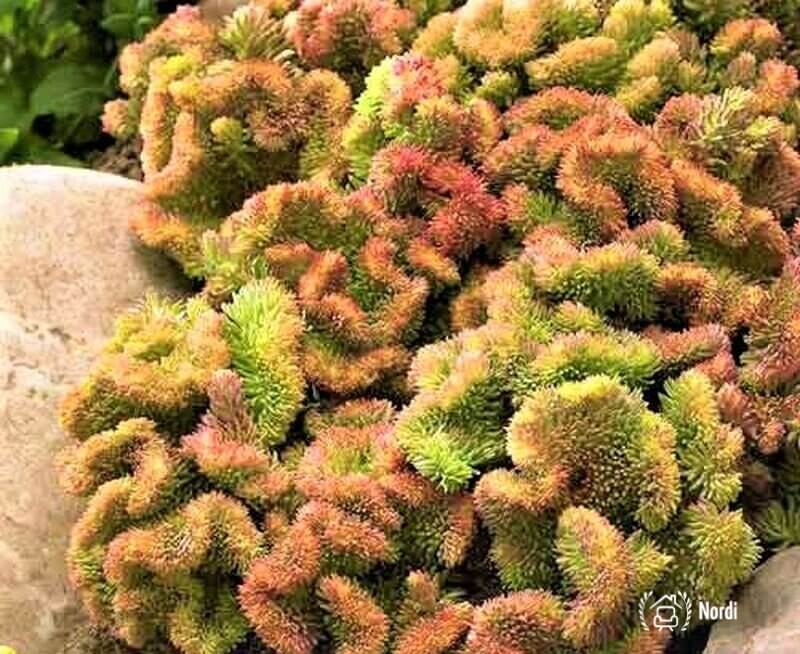
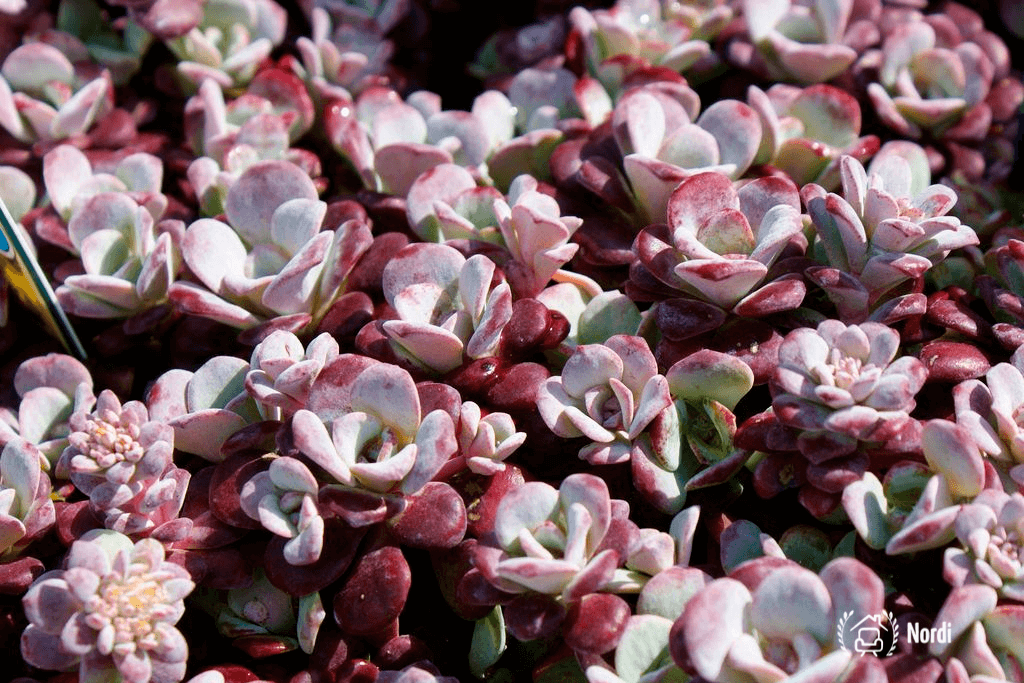
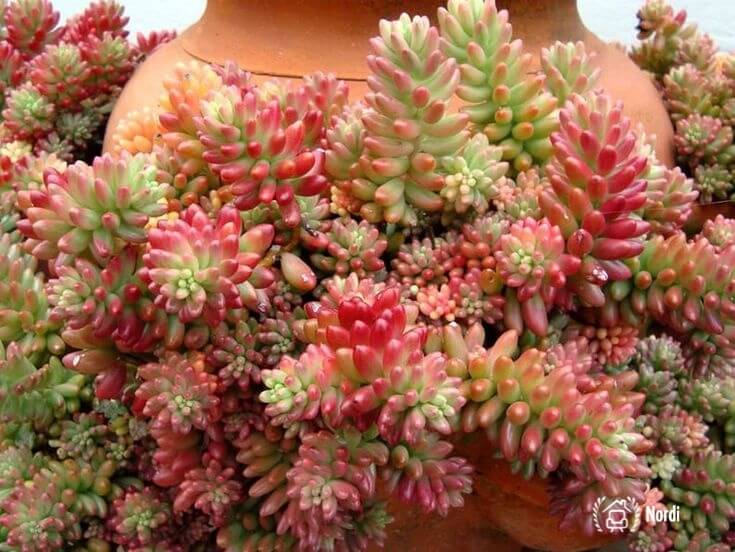
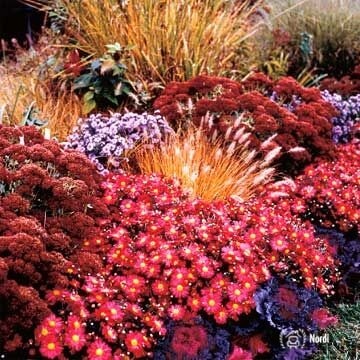
1) Sedum spectabile (Sedum “Autumn Joy”) is a rock-loving succulent with large pink inflorescences. Flowering often lasts a long time, from late summer to October. It attracts birds and, in design, serves as a bright ‘soft’ element in borders and rocky gardens, working well in partial shade and on dry soils.
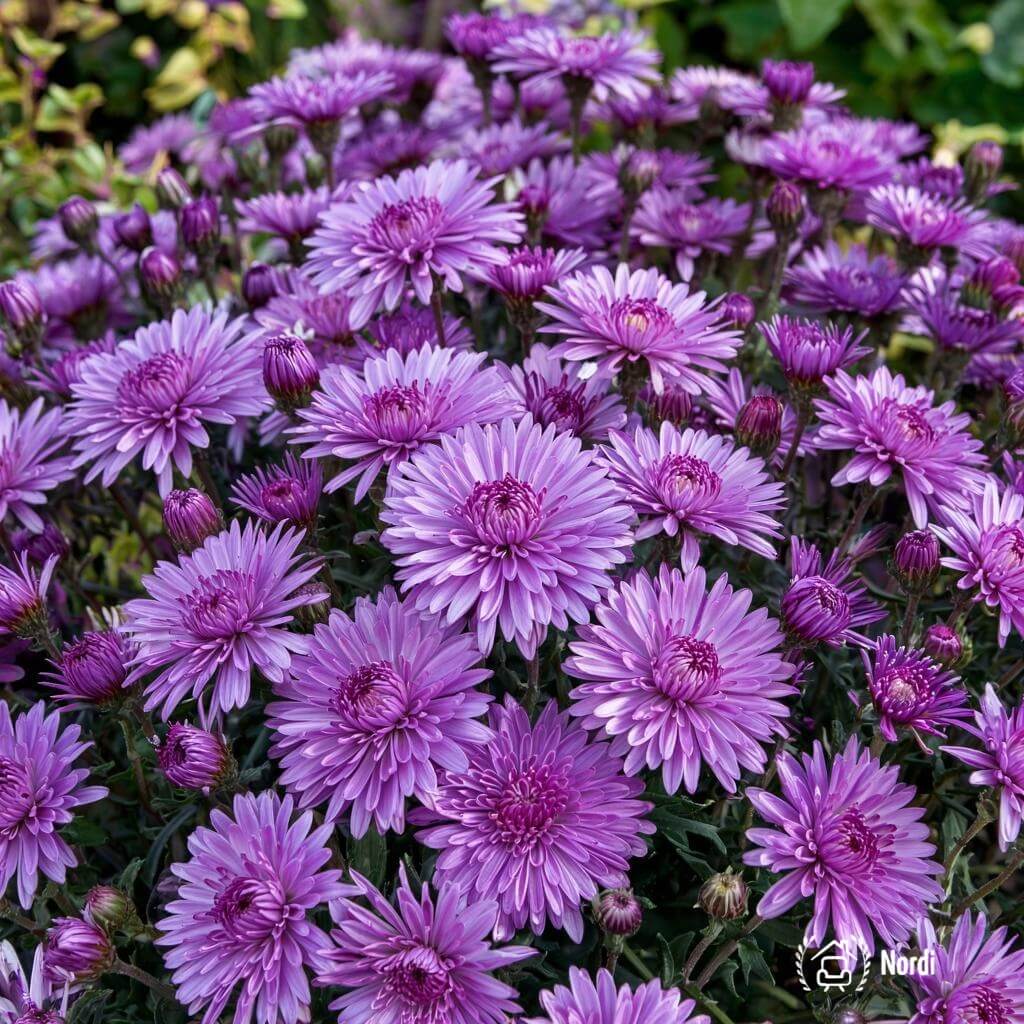
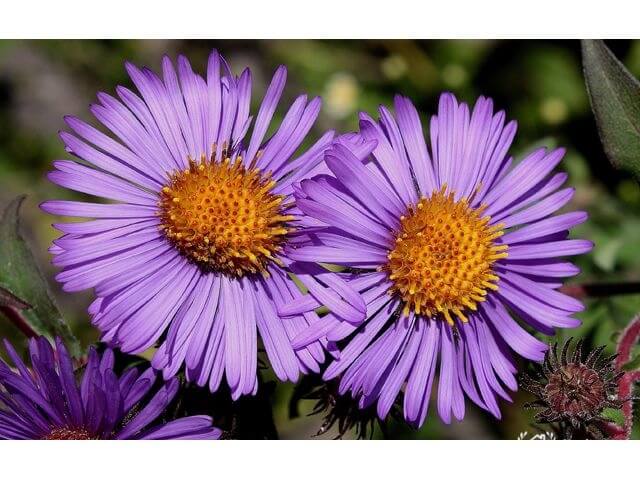
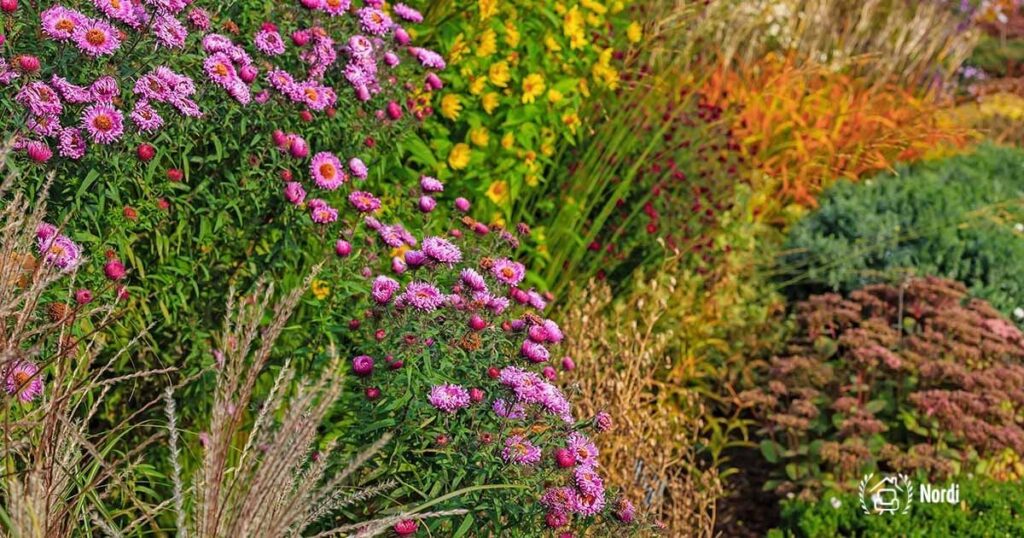
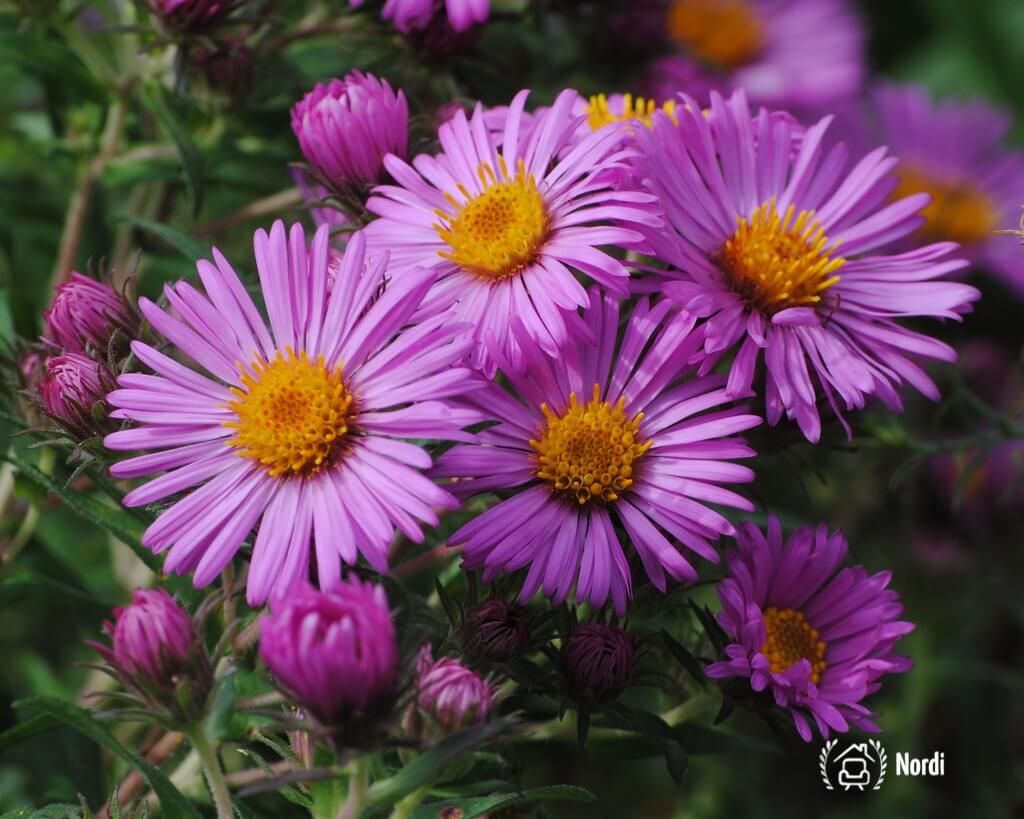
2) Asters (Symphyotrichum novi-belgii, S. novae-angliae) is a classic autumn flower, blooming in August–November, with large florets in shades of blue, purple, and pink. It adds height and drama, going well with golden and red shades of foliage.
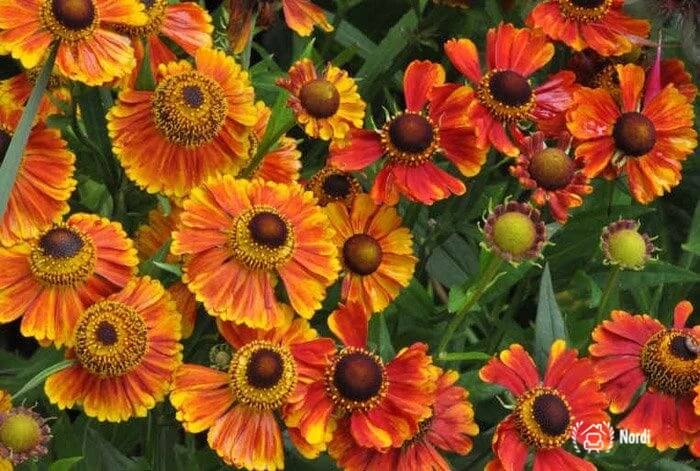
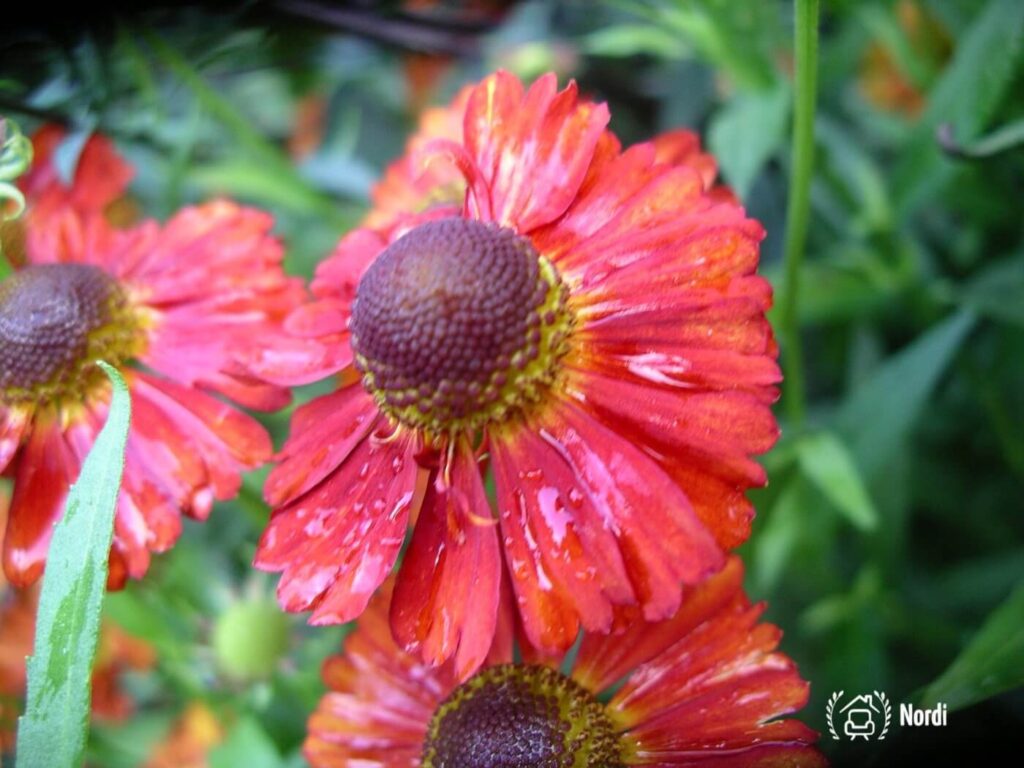
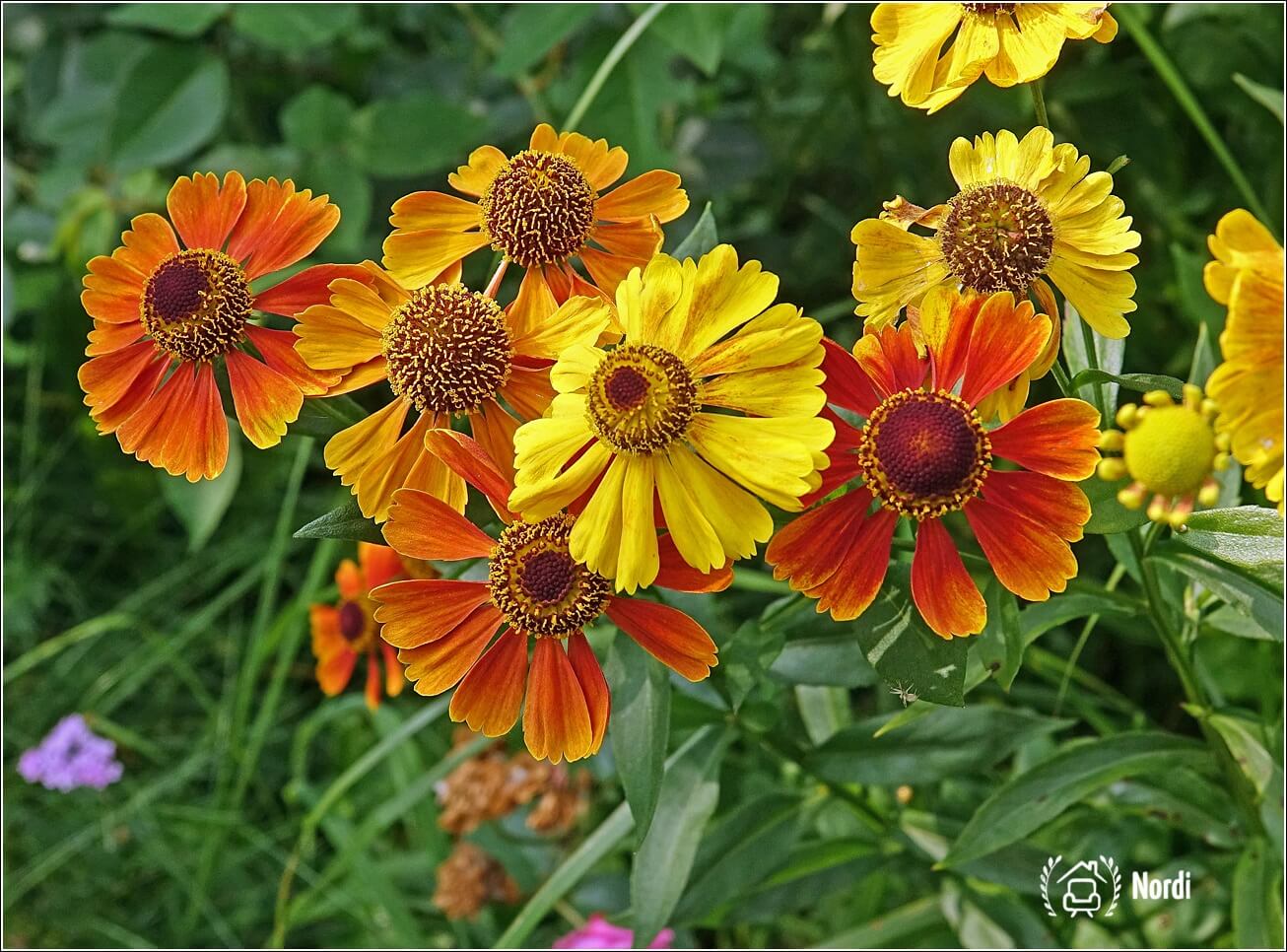
3) Helenium autumnale (autumn sunflower) has red-orange and copper-gold shades, and is long-lasting in the garden. It is ideal for contour lines and mixed combinations and it loves sunny, moist soil but does not require complex care.
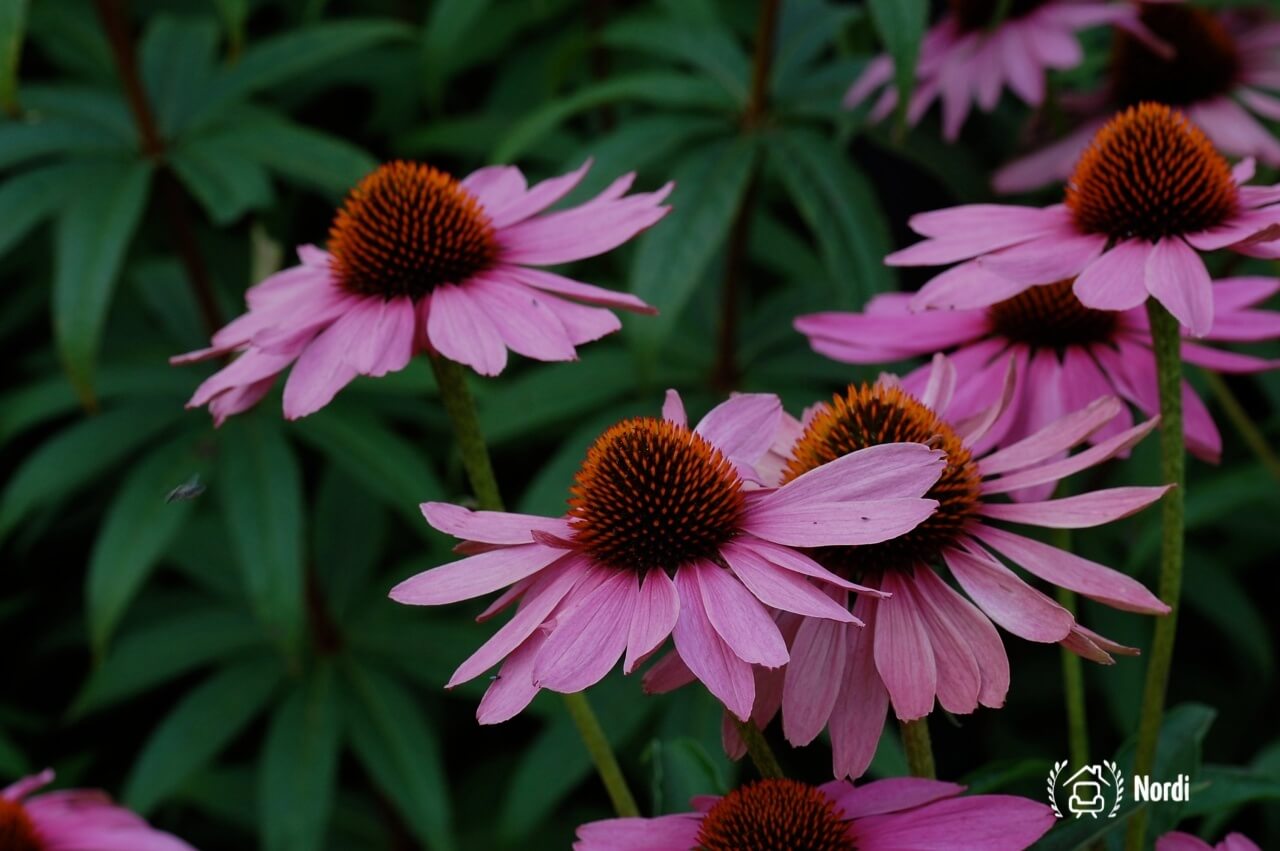
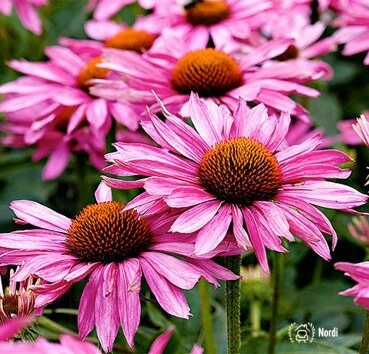
4) Echinacea purpurea (purple coneflower) is a coneflower, with a long flowering period and drought resistance. It remains in cut form in late autumn and can serve as a basis for floral arrangements.
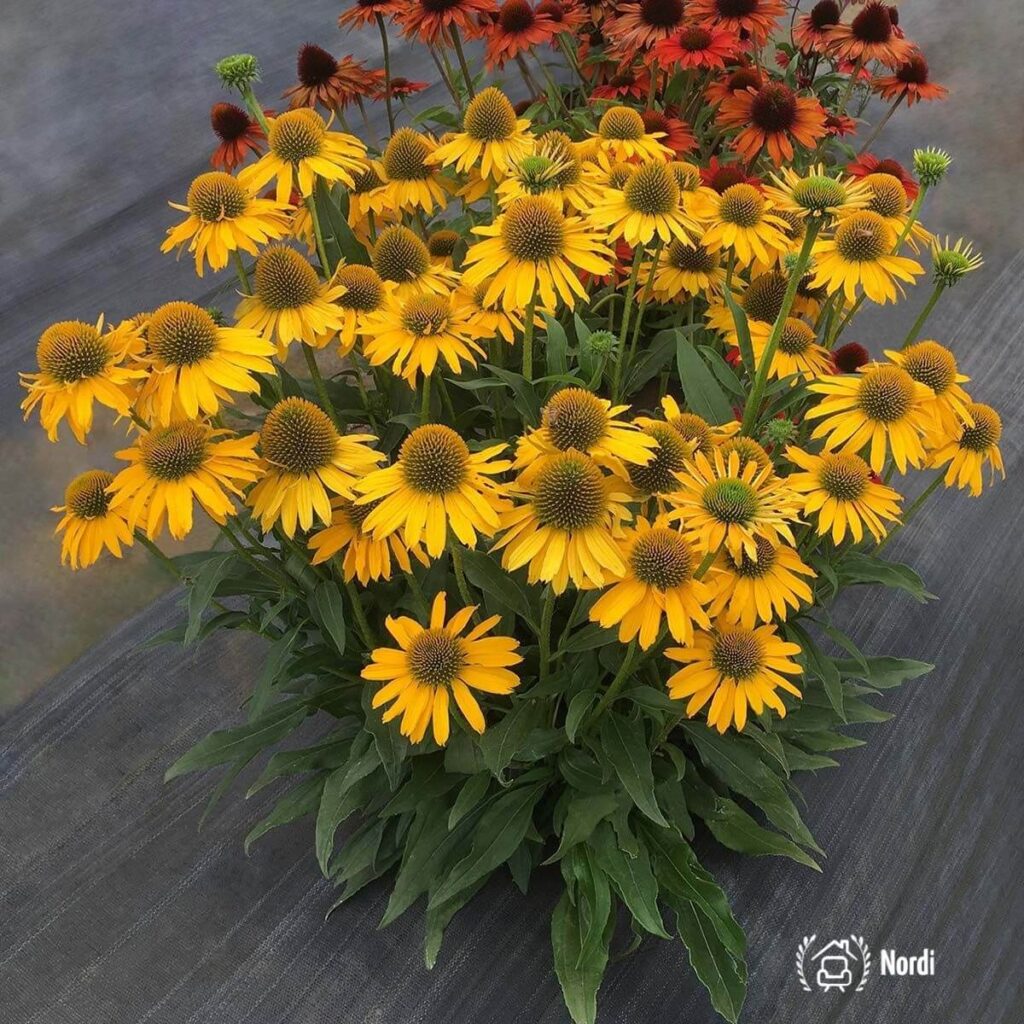
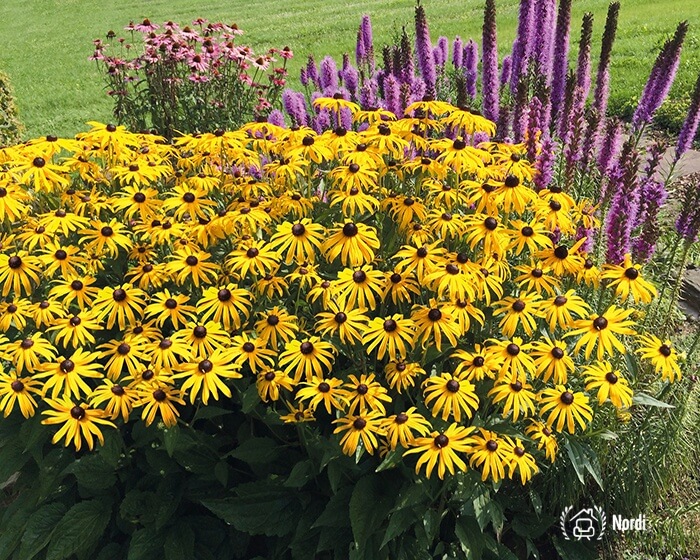
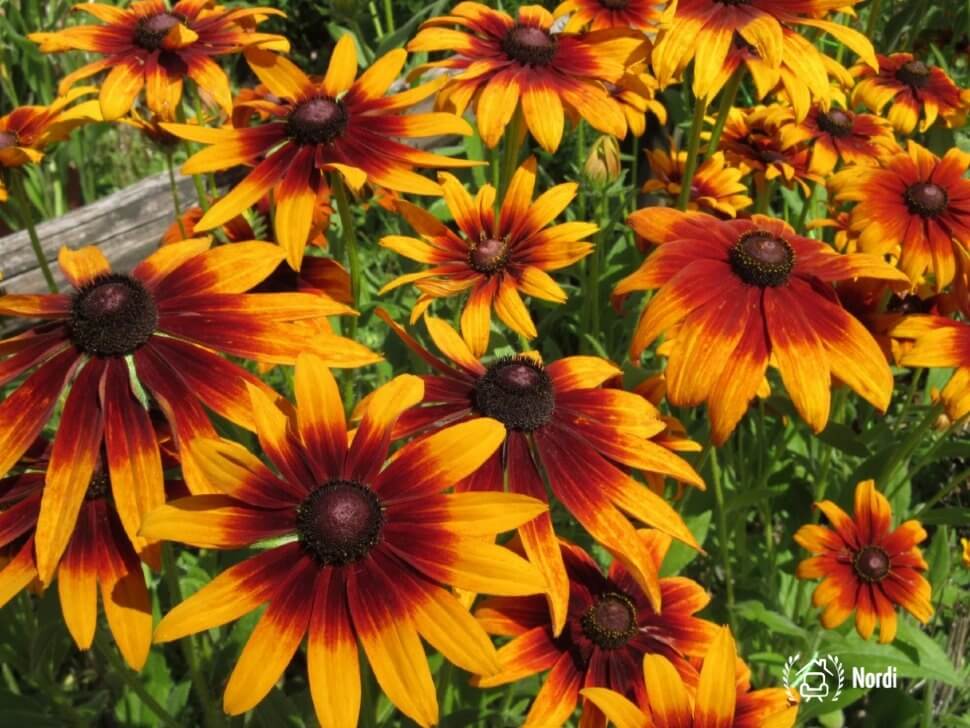
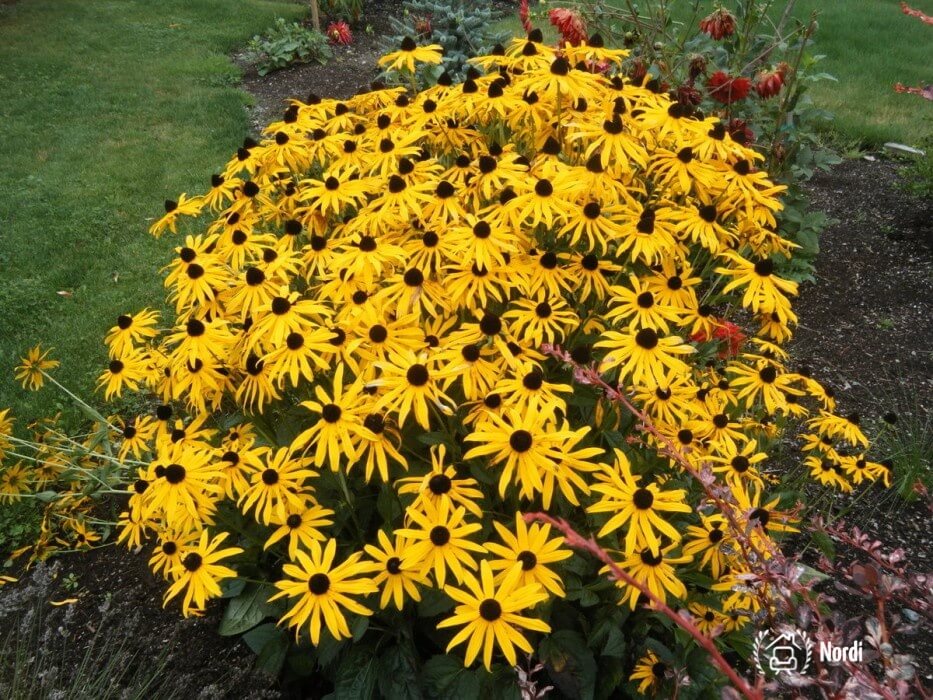
5) Rudbeckia fulgida “Goldsturm” form bright golden ‘daisies’ against a backdrop of dark greenery. It blooms in July–October, working well in mono-mass plantings and in combination with purple and blue accents.
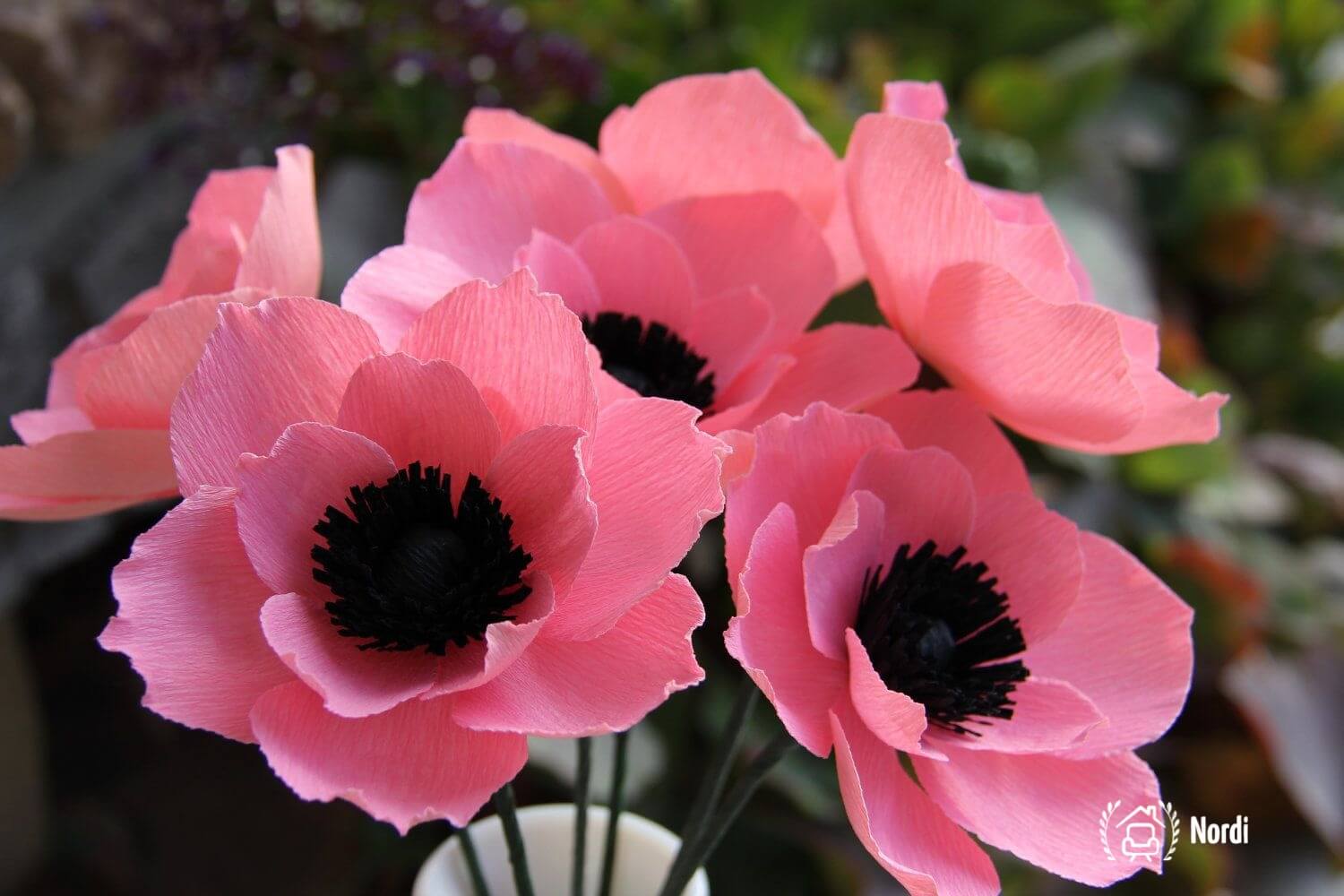
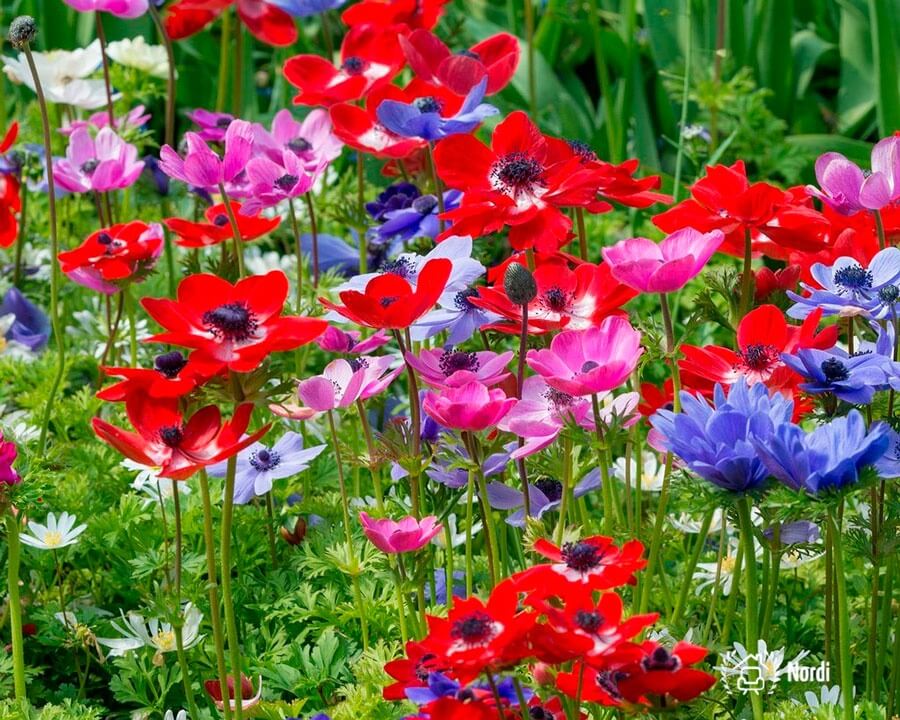
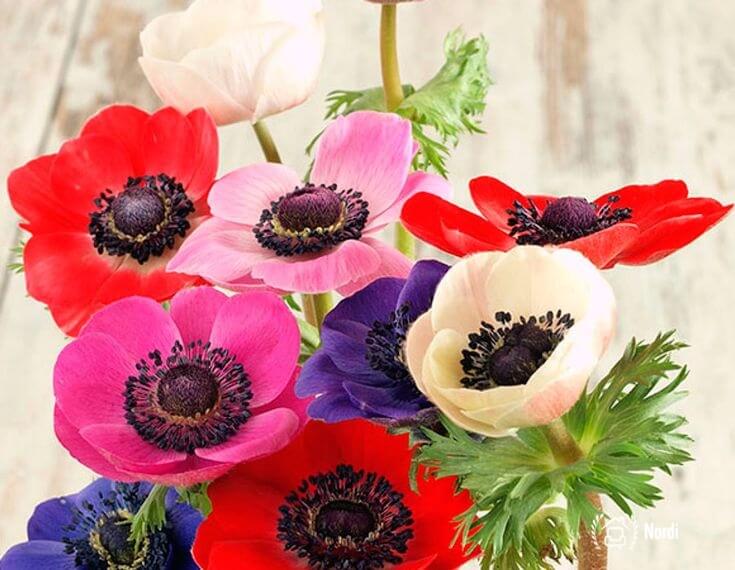
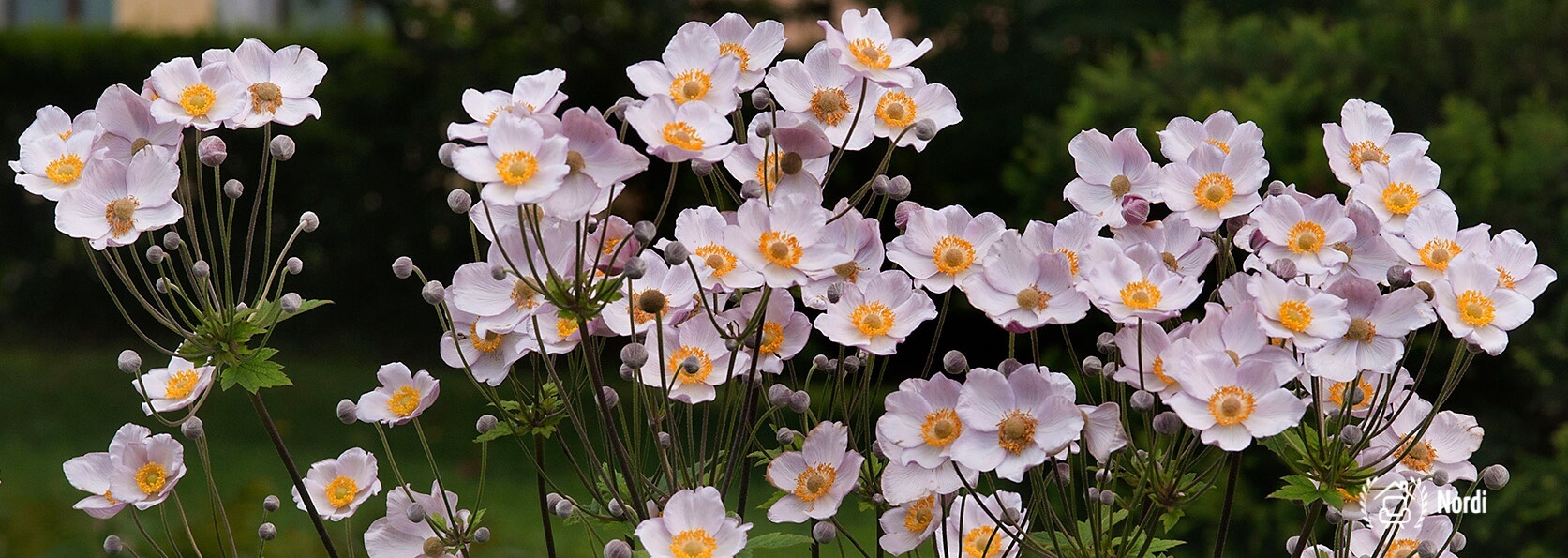
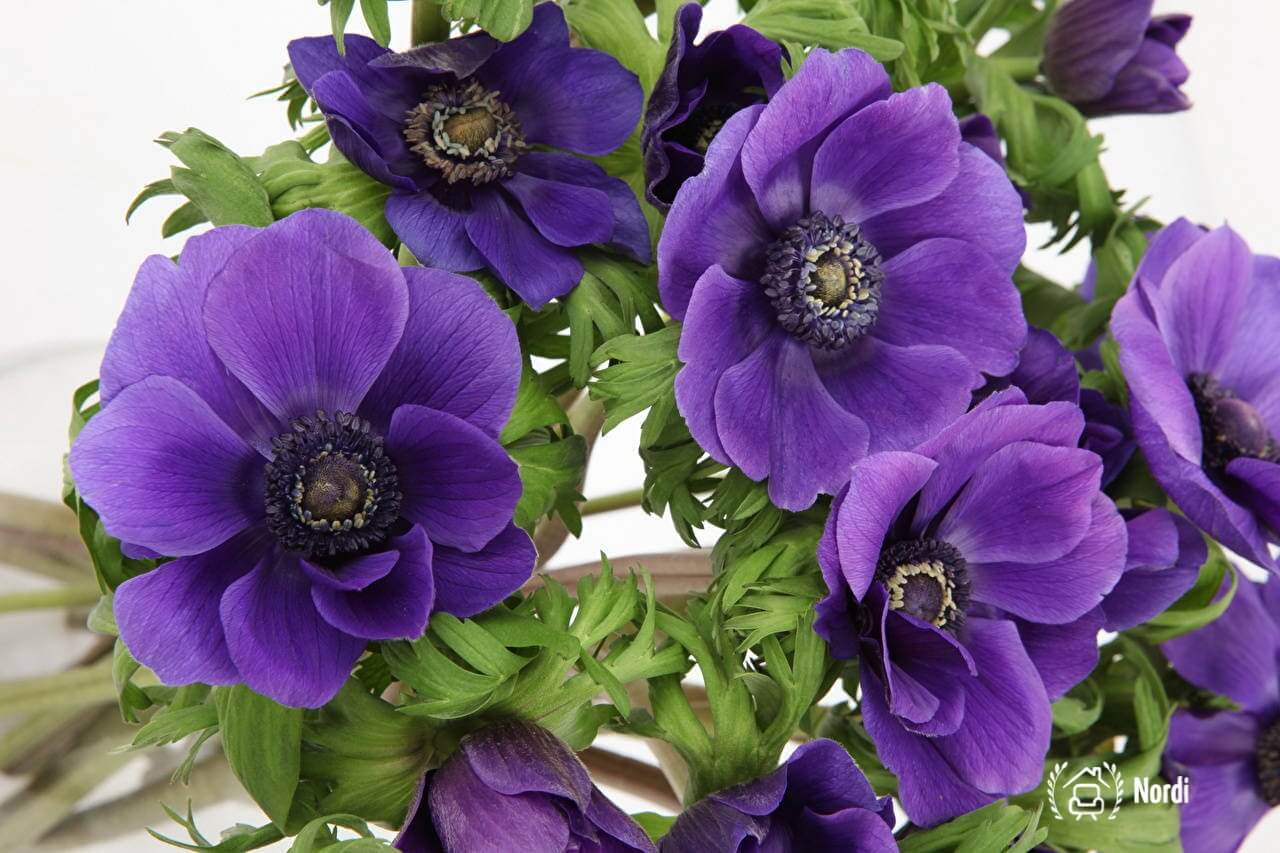
6) Anemone × hybrida (Japanese anemone) has spectacular single flowers in August–November, it loves partial shade and moist soil, and is perfect as vertical highlights and in mixed seasonal flower beds.
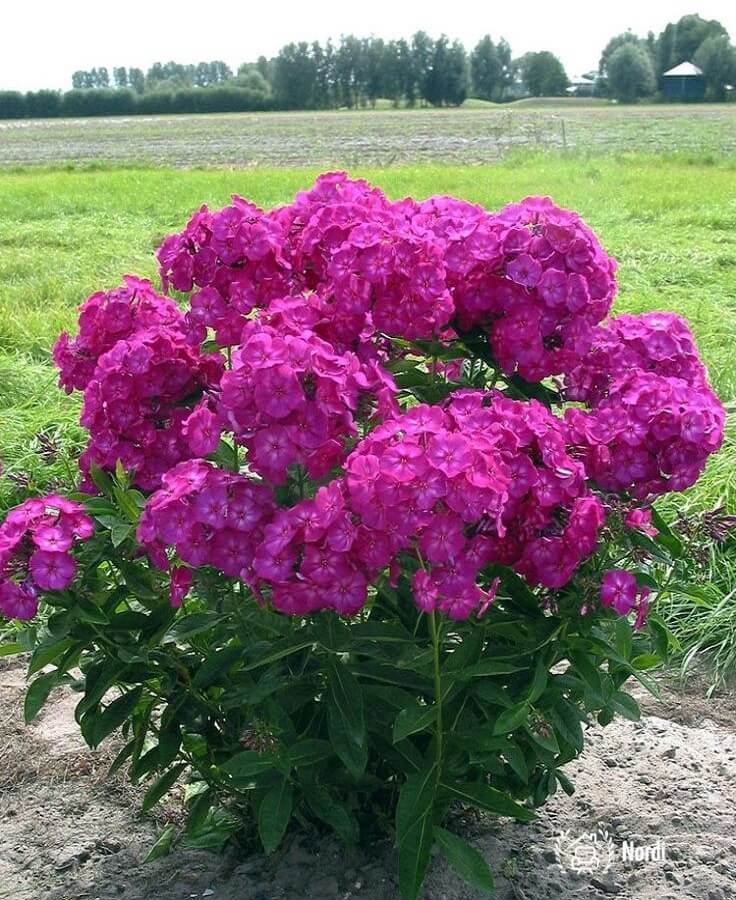
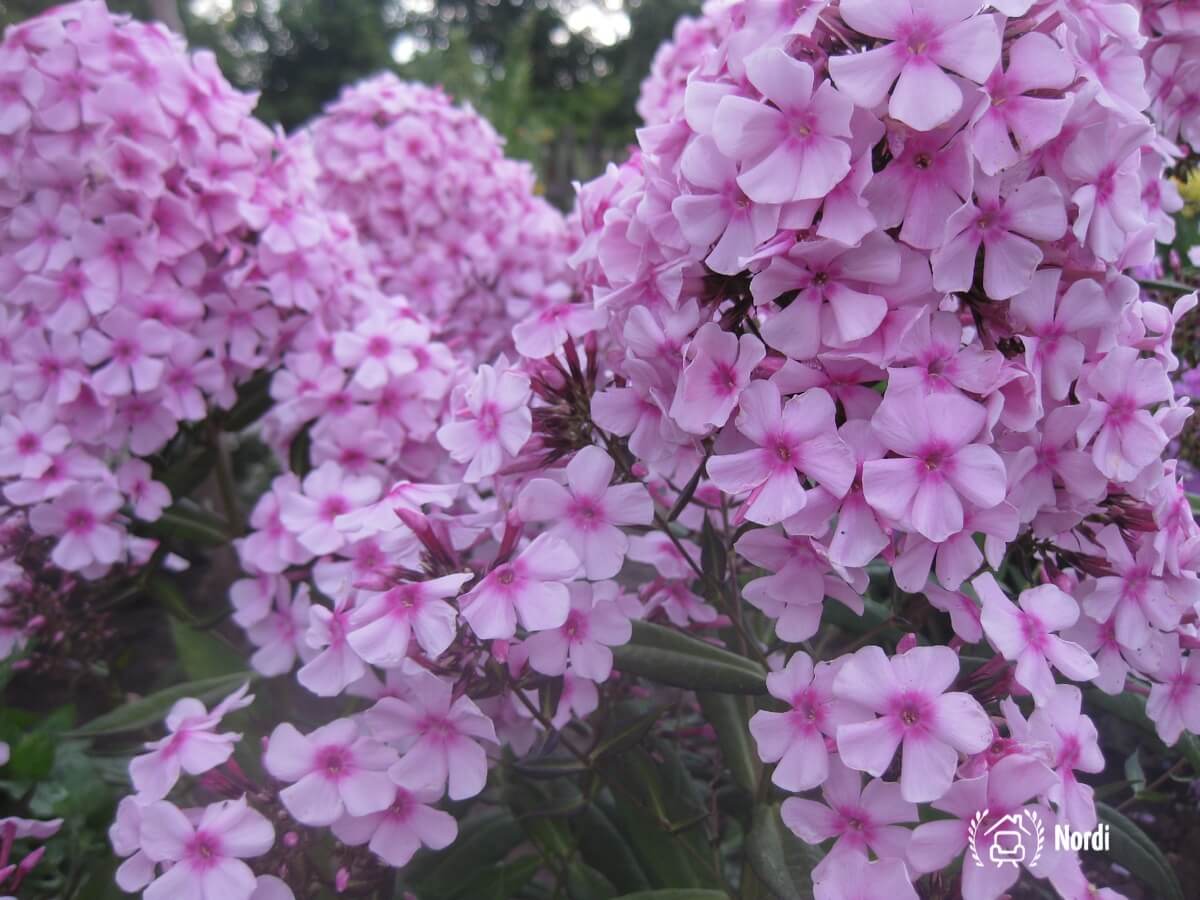
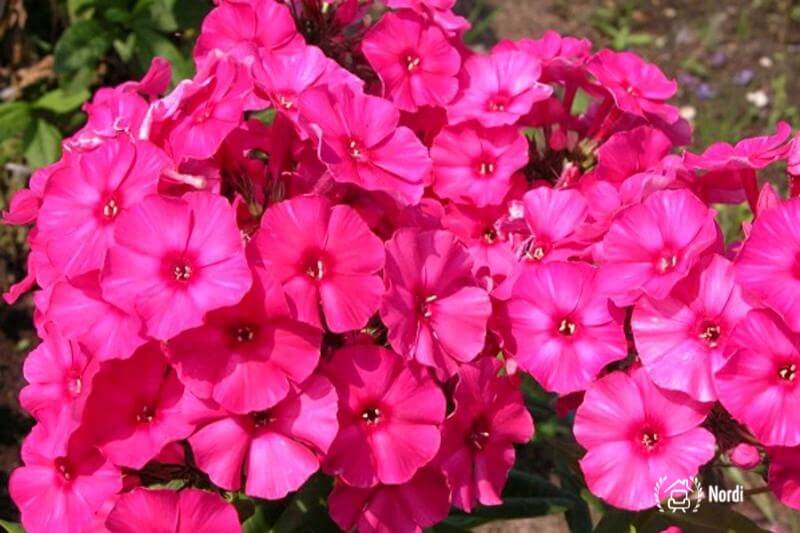
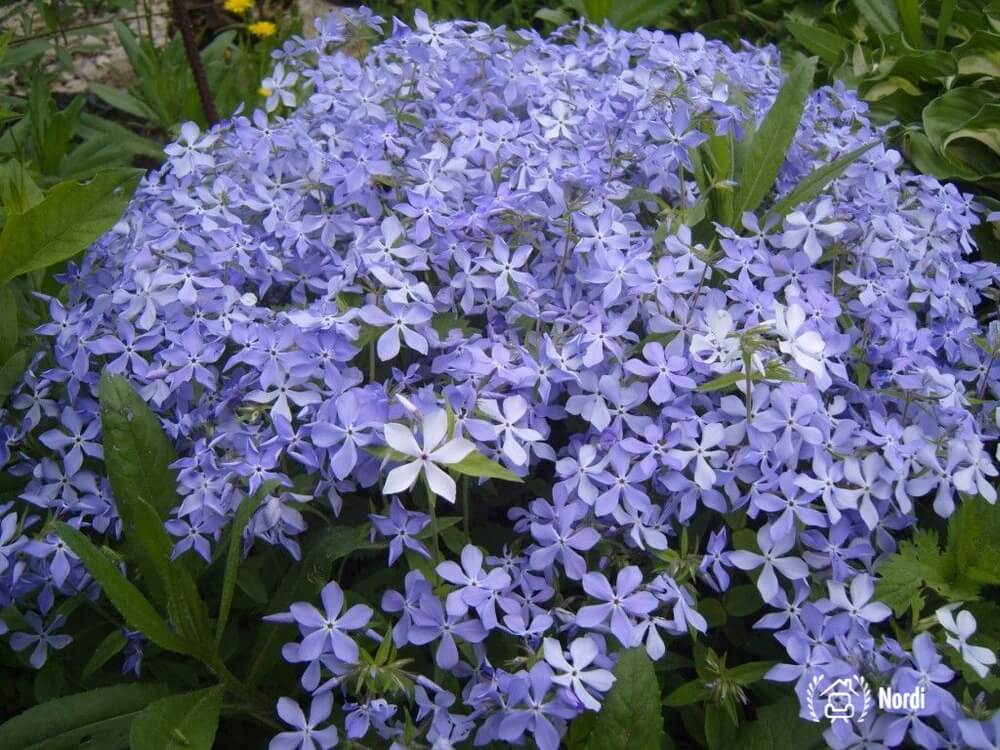
7) Phlox paniculata (hydrangea phlox) flowers in late summer and early autumn, having fragrant stems with large inflorescences. It is excellent in groups in the background, creating a ‘melody’ in the evening garden.
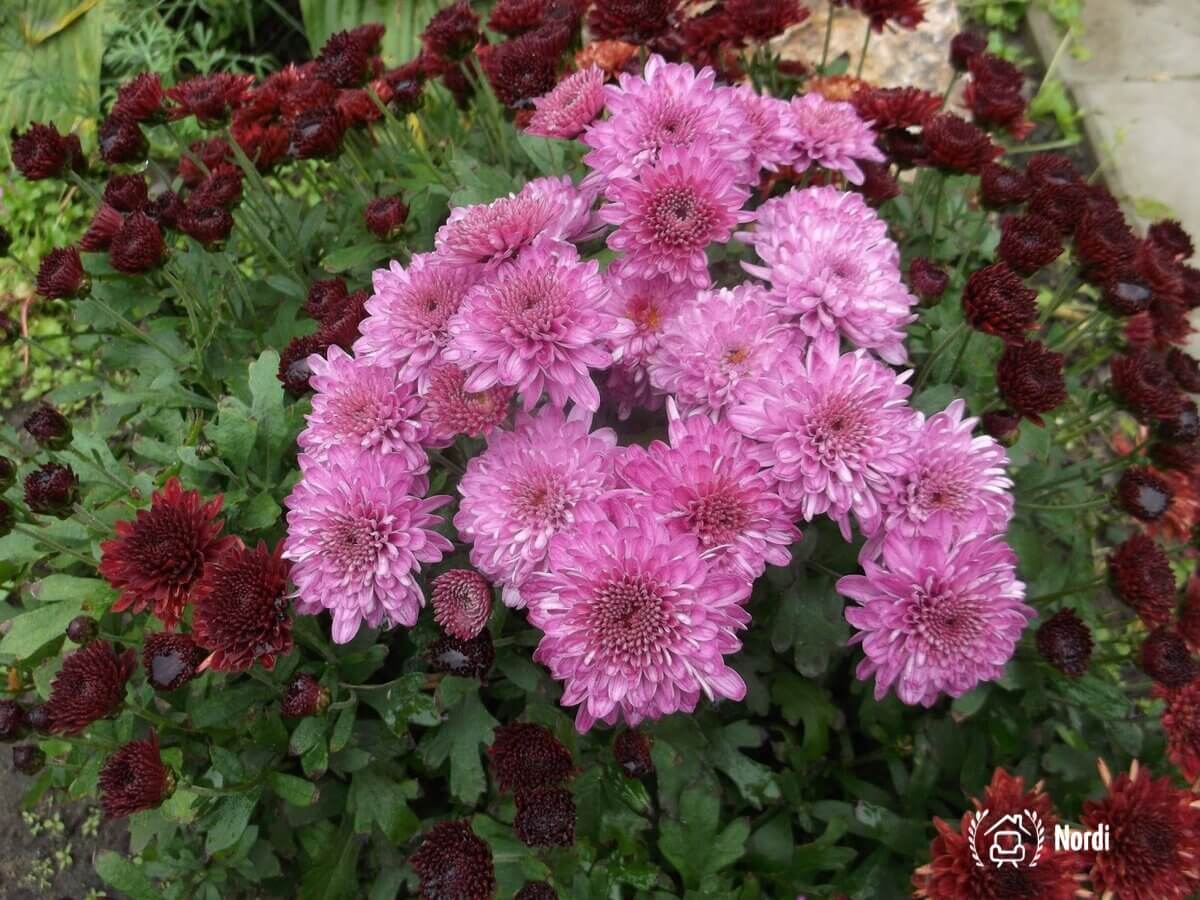
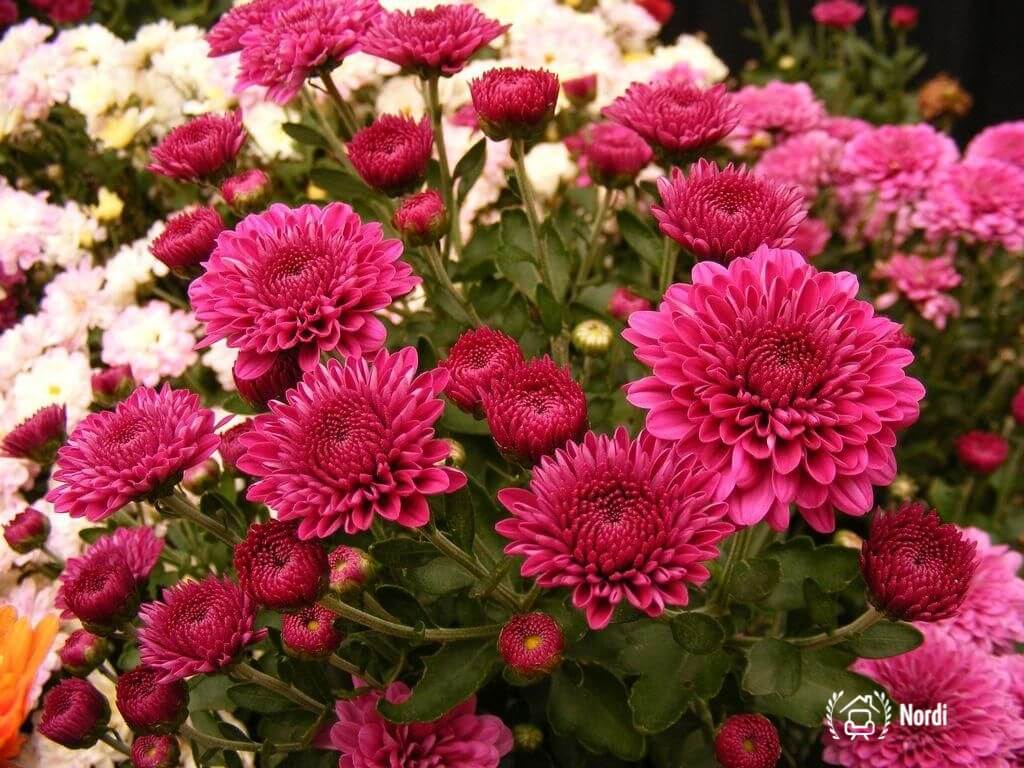
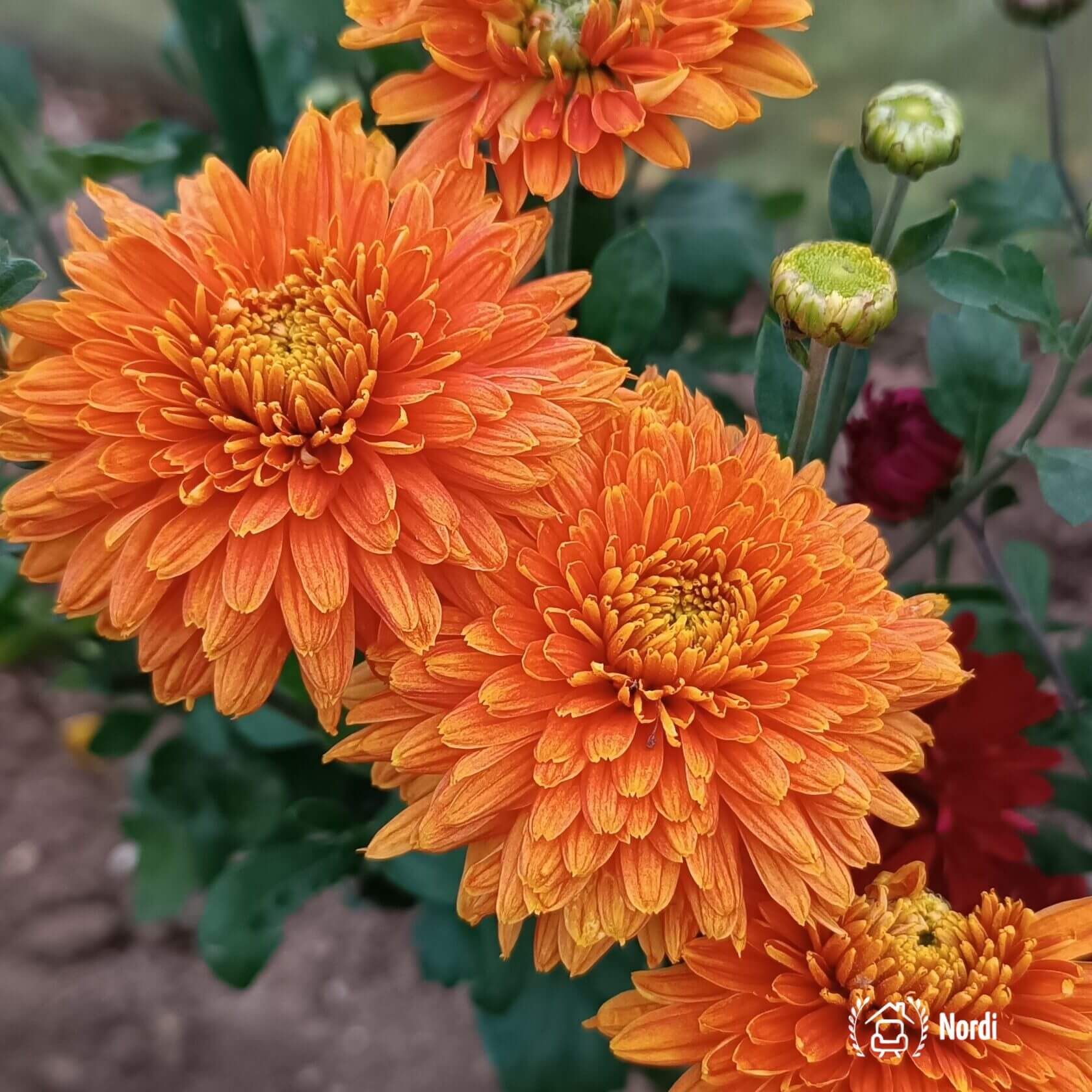
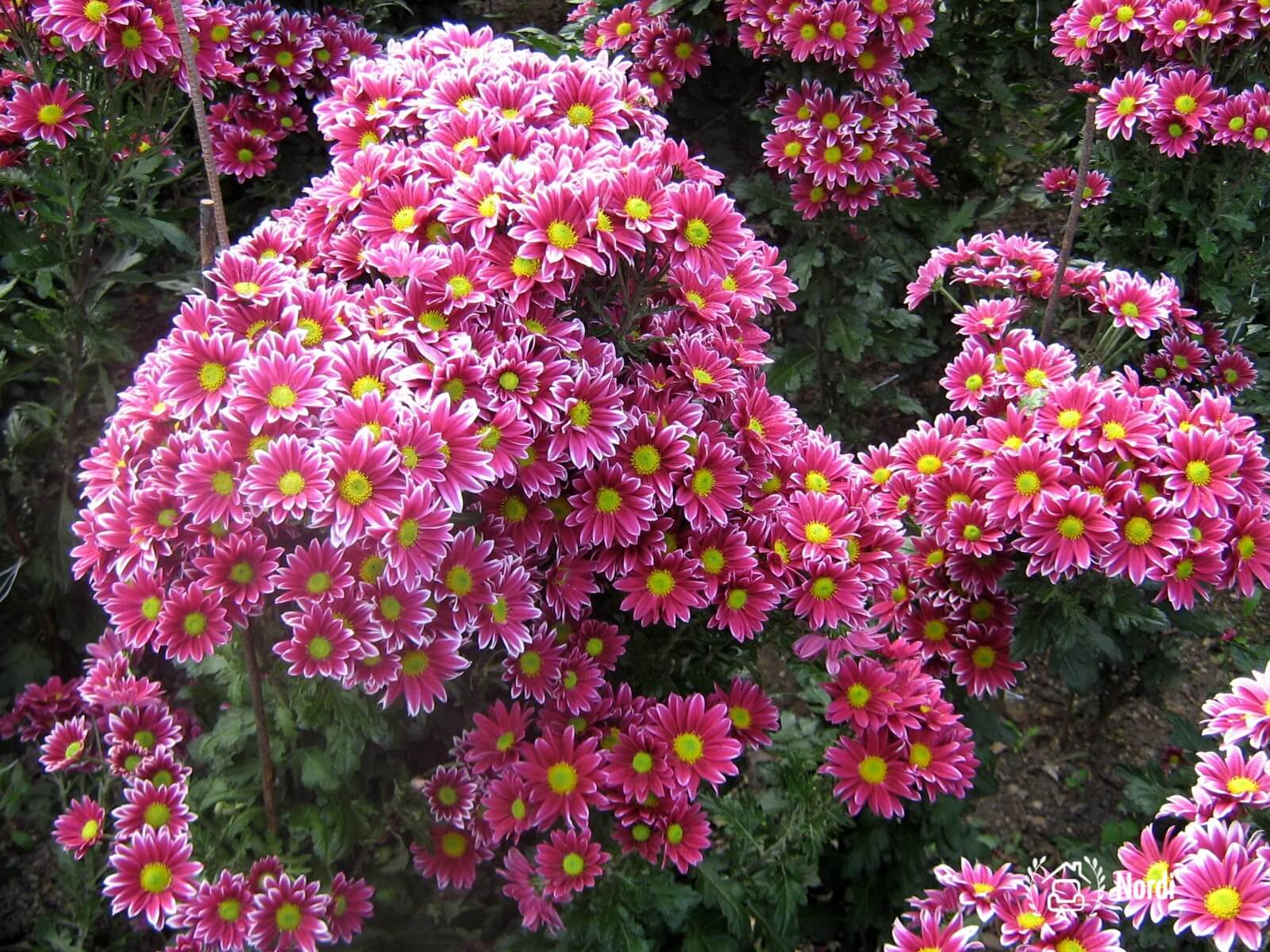
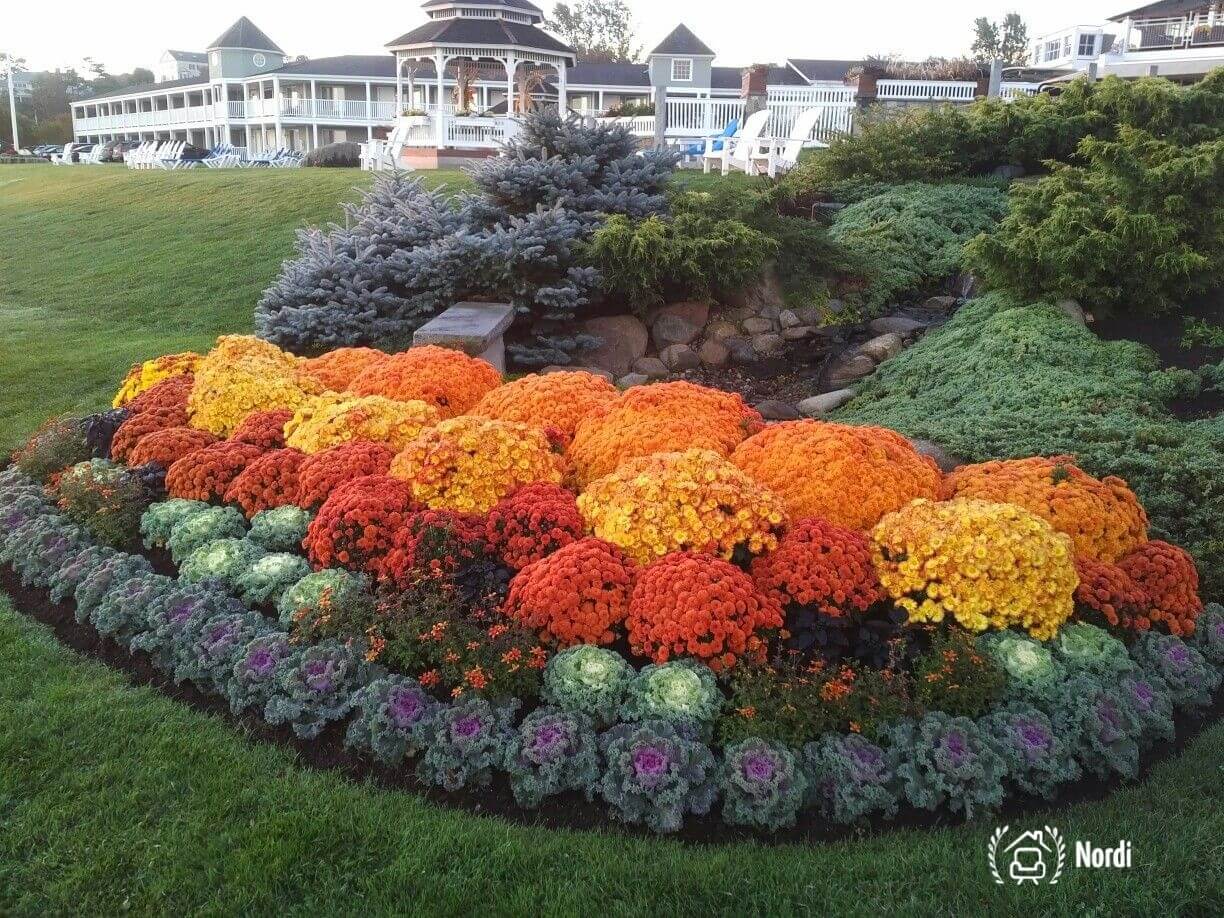
8) Chrysanthemum (garden chrysanthemum) and Dendranthema is also late flowering, adding a ‘final glow’ before winter. In regions with harsh winters, they require good soil preparation and protection.
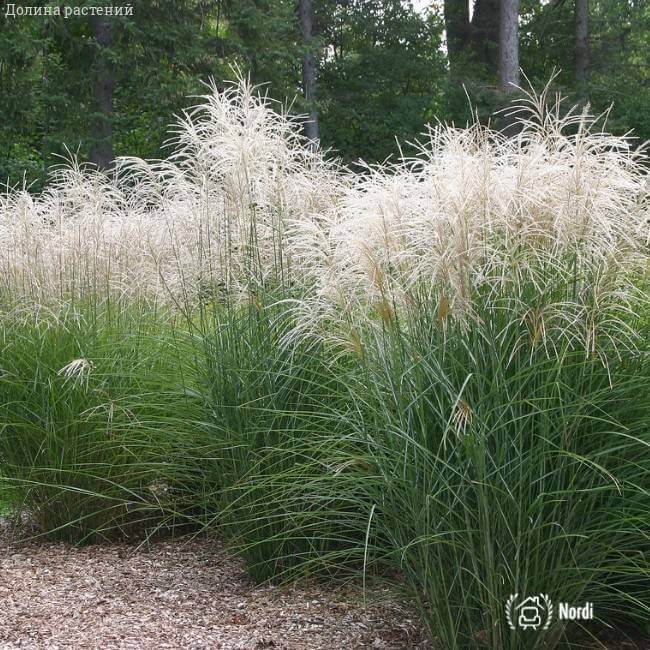
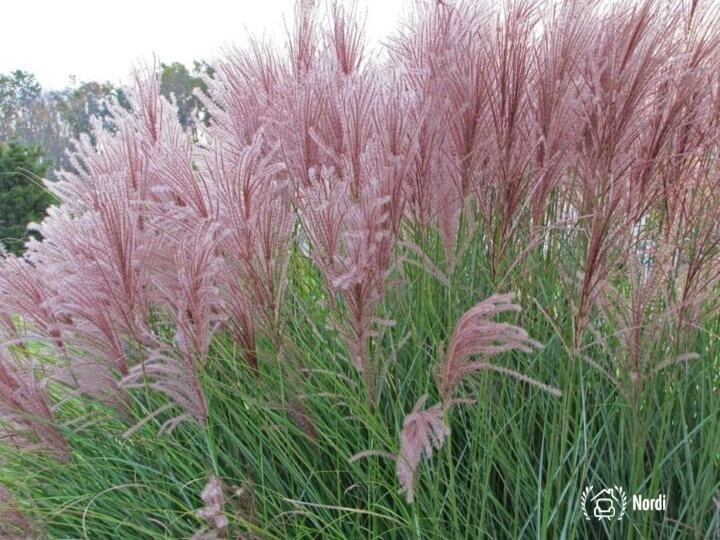
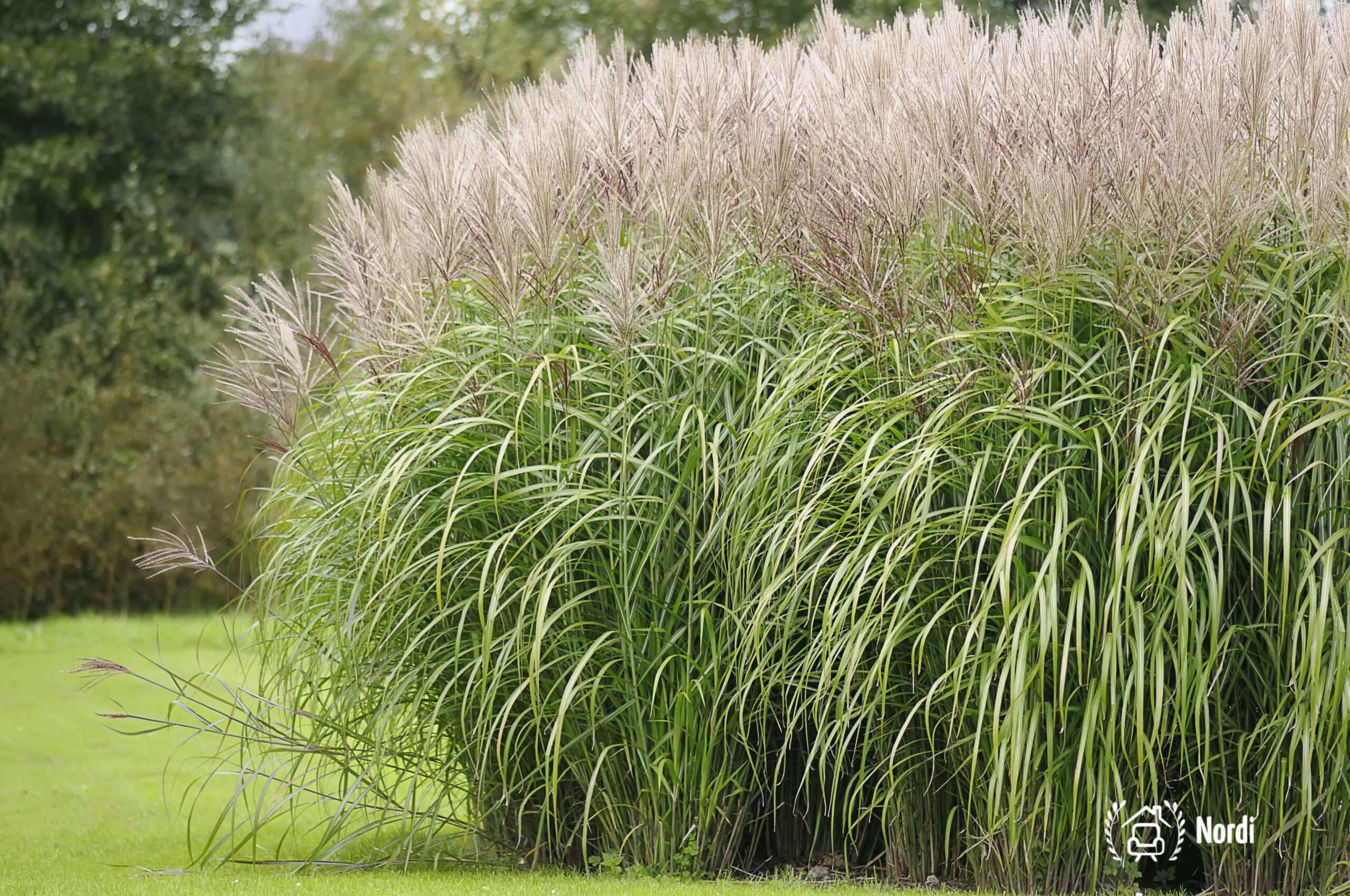
9) Grasses and textural accents (Miscanthus sinensis “Gracillimus”, Calamagrostis x acutiflora “Karl Foerster”, Panicum virgatum) are not flowers in the usual sense, but they provide autumn and winter structure, with colourful seed heads and lush tops that beautifully complement the flowers in the frame of the composition.
Shapes, textures and palettes
Textures: combine smooth Sedum and dense Asters with striking Miscanthus or Calamagrostis grass structures. The contrast in textures adds depth and interest, even if the palette is close to monochrome.
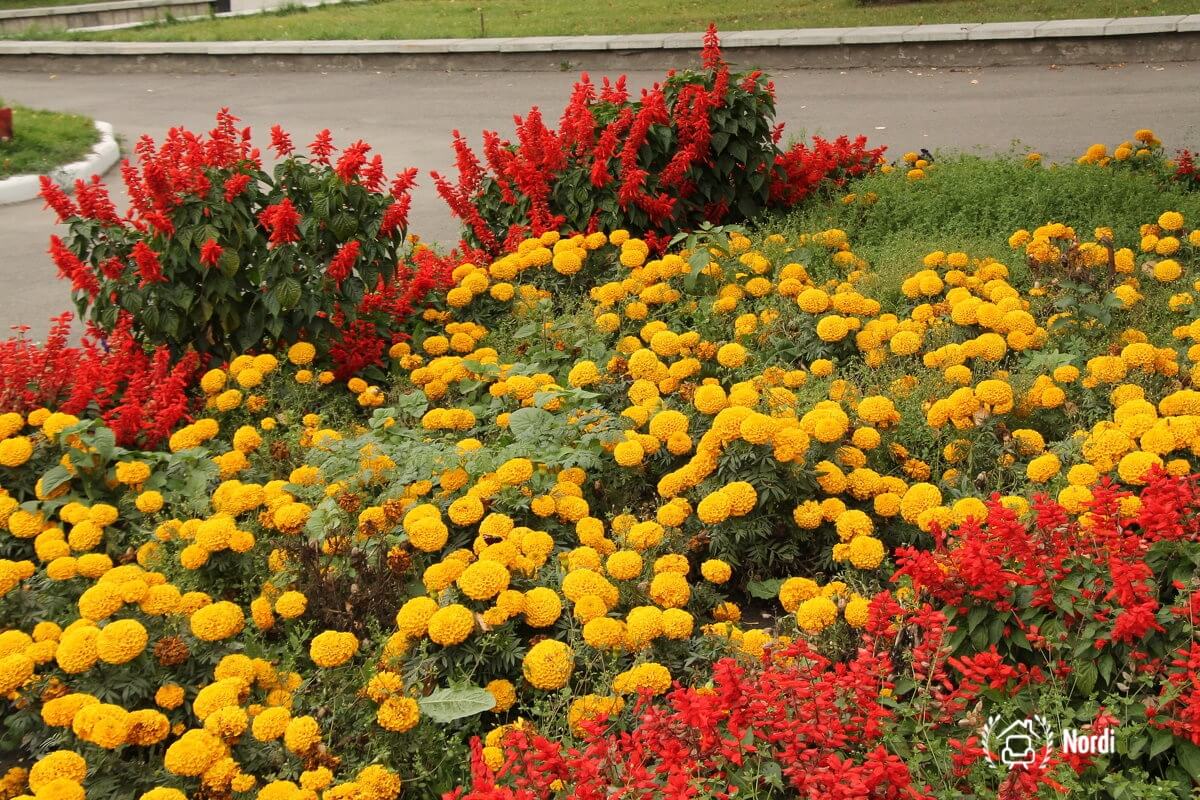
Colour palettes: warm shades (gold, amber, copper, coral) are close to autumn’s ragged leaves and reminiscent of benign weather. A cool palette (purple, lavender, blue) can be complemented by dark greenery and silvery shades of leaves, creating evening drama.
Shape and height: use layering, with tall plants (Helenium, Asters, Phlox) in the background, medium ones in the middle, and low Sedum and ornamental grasses at the front edge. This way, the composition can be seen from a distance and creates a ‘window’ effect in the garden.
Practical principles of application in garden design
Extending the season: combine perennials that bloom in summer and autumn with late-flowering ornamental grasses and edible flowering plants. This ensures continuous flowering and interest for 4-5 months.
Contours and structure: an autumn garden should have clear lines — edges, arches, transitions. Group by colour, but observe the height order: dark green base, medium height, bright accents in the background.
Interaction with the environment: in autumn, light intensity and sun angles change. Place bright groups where they will be well lit at the end of the day to emphasise colour tones and textures.
Contrast and balance: don’t overload the palette with monotony. Add green evergreen plants or dark green grass so that the background doesn’t get lost in the blooms.
Care and sustainability: Sedum and Grasses are drought-resistant; Asters and Helenium require moderate watering and balanced fertile soil. Deadhead regularly to prolong the flowering in most of the species; in late autumn, you can leave a few seed heads for winter interest.
Recommended combinations for ready-made decorative schemes
Monochrome autumn highlights: Sedum “Autumn Joy” (pink hue), Aster purpurea, Phlox paniculata (lavender). Height order with Miscanthus or Karl Foerster in the background as a structural framework. Effect: a soft wave of colour and smooth transitions.
Textural mix: Sedum + Echinacea purpurea, Helenium and Anemone japonica in a border of Calamagrostis x acutiflora “Karl Foerster”. Palette: gold, purple, pink and copper. Effect: undulating perspective with rhythmic accents.
Contrasting autumn arch: groups of Aster novae-angliae, Chrysanthemum x indicum (chrysanthemum), Phlox paniculata against a backdrop of evergreen contrast (Boxwood or conifers). It provides an illuminated area for evening viewing; strong night shades and the light scent of Phlox.
Choosing plants for regional conditions
Full sun and well-drained soil: Sedum spectabile, Echinacea, Helenium, Rudbeckia, Phlox, Grasses.
Partial shade and moist soil: Anemone japonica, Anemone × hybrida, Astilbe (for autumn contrast). In such conditions, Asters and Phlox can produce longer flowering, but require moderate watering.
Harsh winters and cold climates: late-season chrysanthemums, Miscanthus, Calamagrostis retain their structure and interest in winter; Sedum retains its texture even after frost.
Care and preparation for autumn
Fertilisation: moderate fertilisation with organic matter in early spring; in autumn, you can reduce the nutrition to enhance colour and leaf health.
Watering: adapt watering to weather conditions; many autumn flowers like moderate moisture, but Sedum and Grasses tolerate drought well.
Care after flowering: Deadhead to prolong flowering in most of the perennials; some autumn plants can be left in the winter landscape for decorative seed heads and structure. Dividing perennials every 2-4 years maintains plant health and disease resistance.
Frost protection: In regions with frost, young plantings can be covered with non-woven fabric and removed at the end of winter for ventilation.
Conclusion
An autumn flower garden is not only the ‘last glow’ before winter, but also an important part of landscape design that sets the tone for the entire garden in the following season. Choose plants that are suitable for your site, combine colour, shape and texture to create layered compositions that work at different distances and at different times of the day. And most importantly, let your garden speak the language of autumn: warm shades, smooth transitions and the lively texture of grasses and foliage.
2 responses to “Autumn flowers in garden design”
Whatever attempt to extent the time from a beautiful view of a garden in autumn can only be appreciated.
Flowers speak also in the dark dull day of autumn. Nice article
I love the Autumn, and such inspiring flowers and boarders!! I will be contemplating how to do some new arrangements in my garden area and around the house. Thank you Nordi. ❤️