


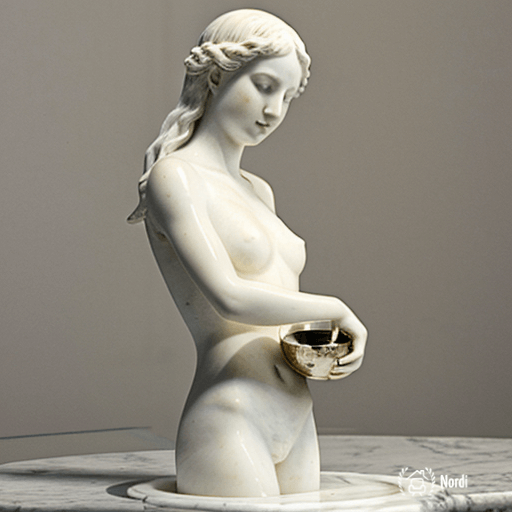
Water is one of the most versatile and attractive elements in space design. Its natural beauty, movement and sounds create an atmosphere of calm, harmony and freshness. Using water allows you to emphasise style, add dynamism and create a unique atmosphere. Here are some ideas and recommendations for integrating water features such as fountains, springs and water walls into the design of your rooms and grounds.
1. Fountains: A focal point and source of tranquillity
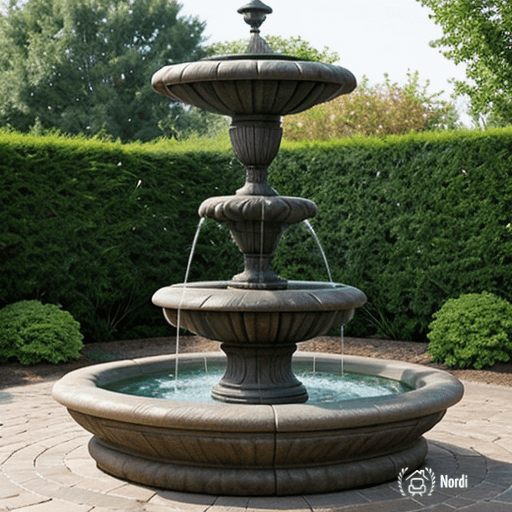
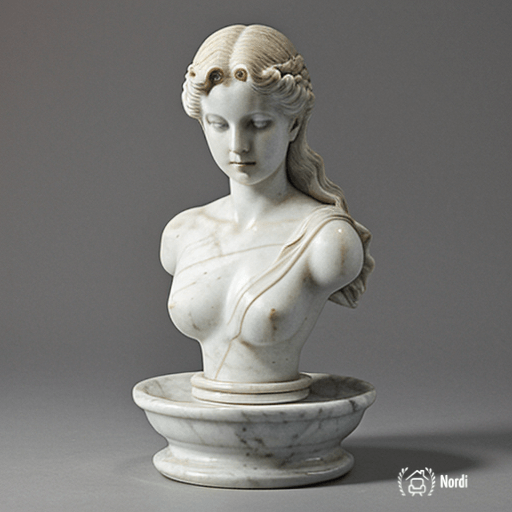
Fountains are a classic element of water design and a central feature in a relaxation area, garden or entrance way.
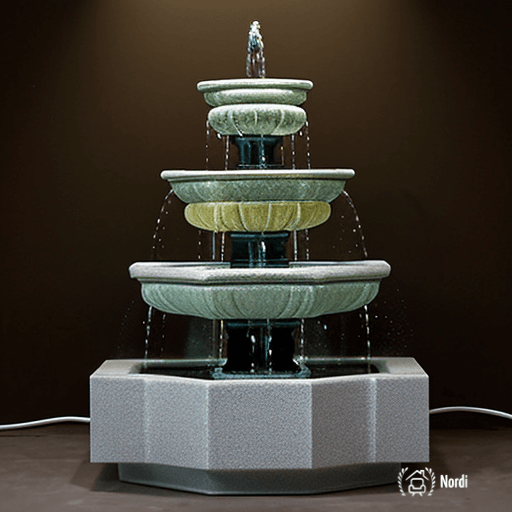
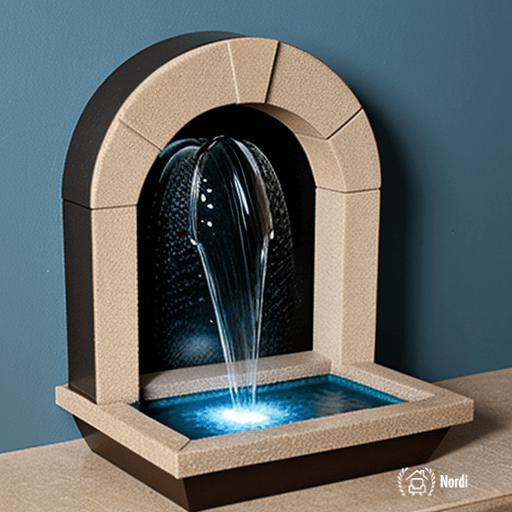
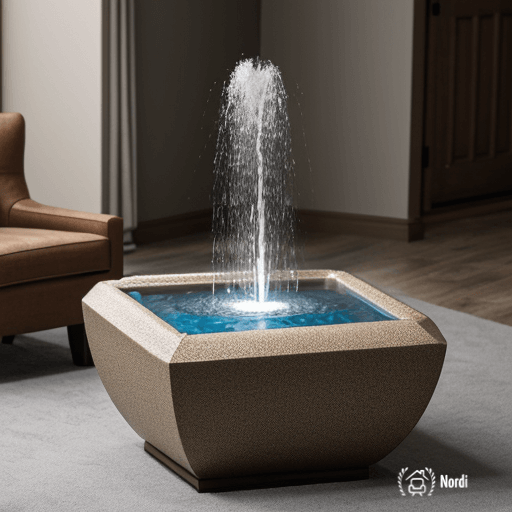
Indoor fountains: compact models built into the floor or wall create a sheltered atmosphere, fill the room with the soft sound of water and improve the microclimate. Multi-level or LED models look particularly impressive.
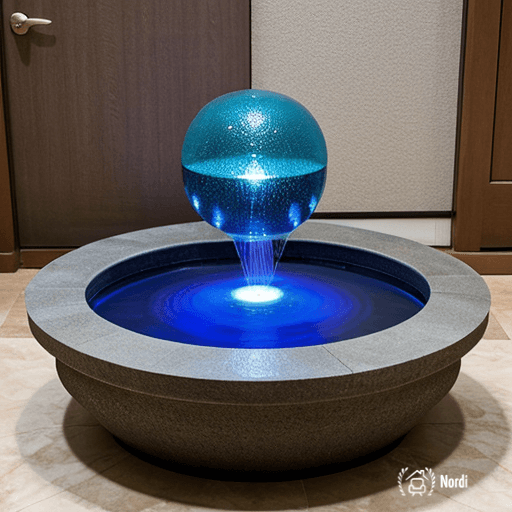
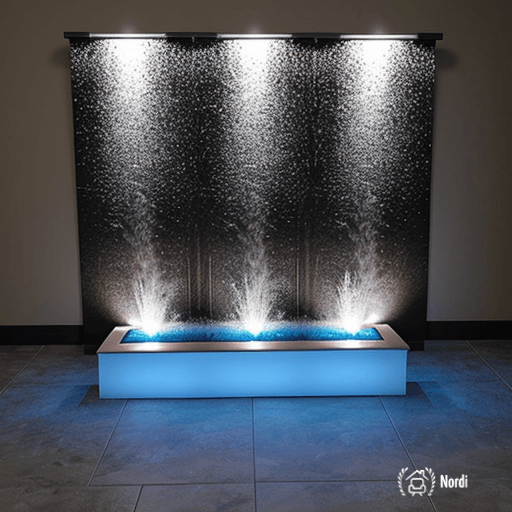
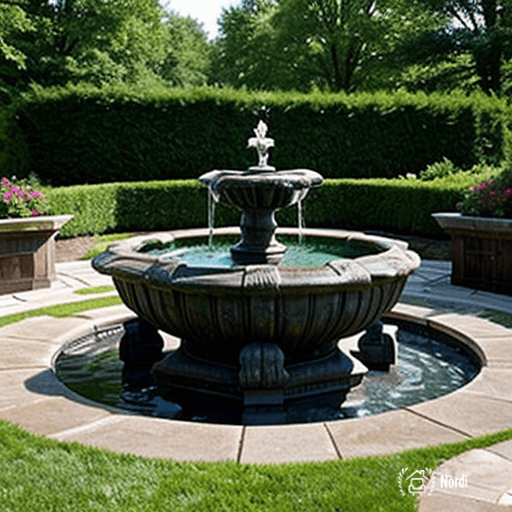
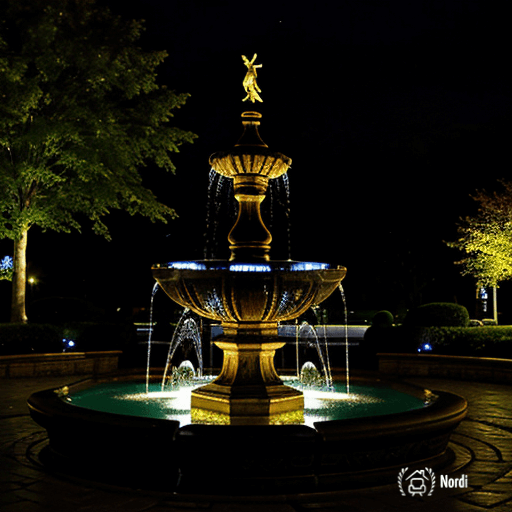
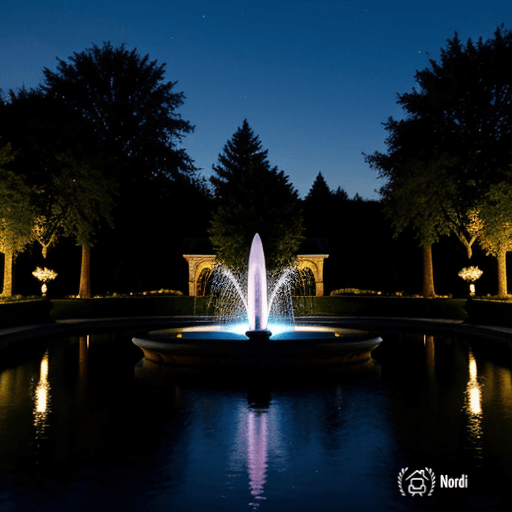
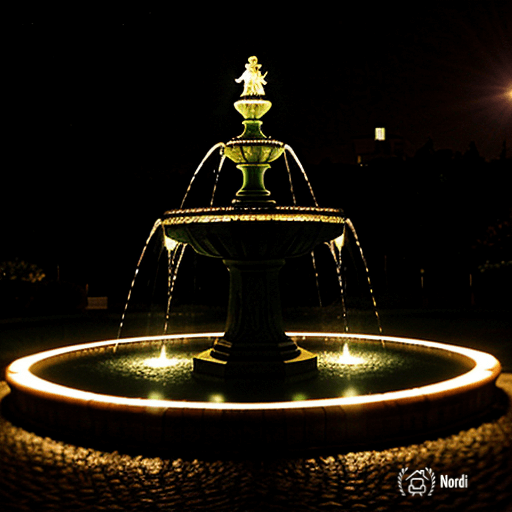
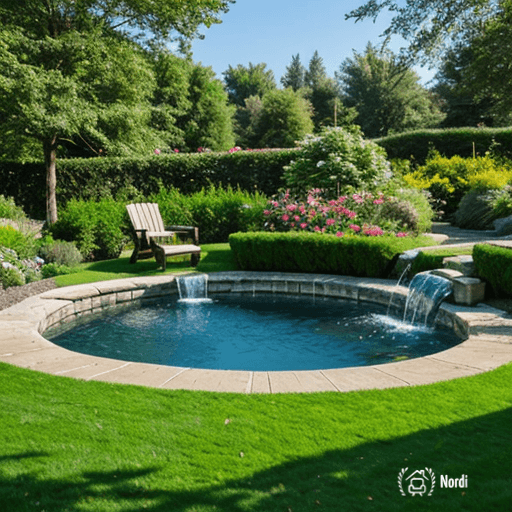
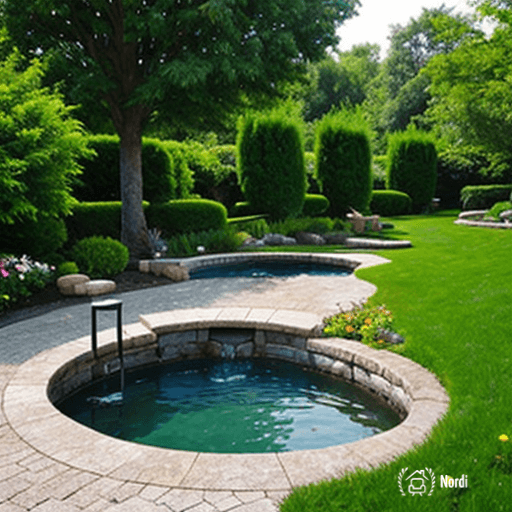
Outdoor fountains: large structures that decorate a garden or courtyard can have different styles — classic, modern or rustic. Combined with decorative lighting, they create a magical atmosphere in the evening.
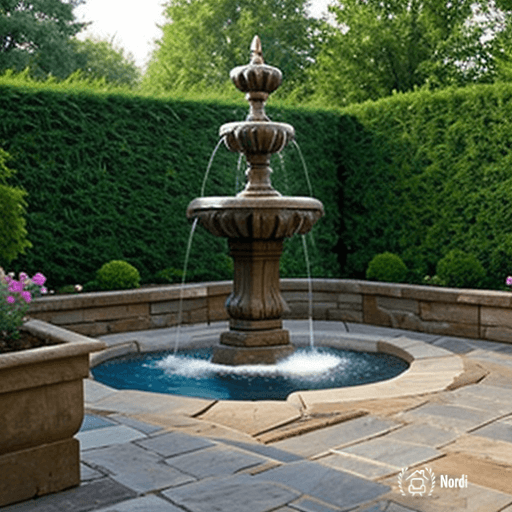
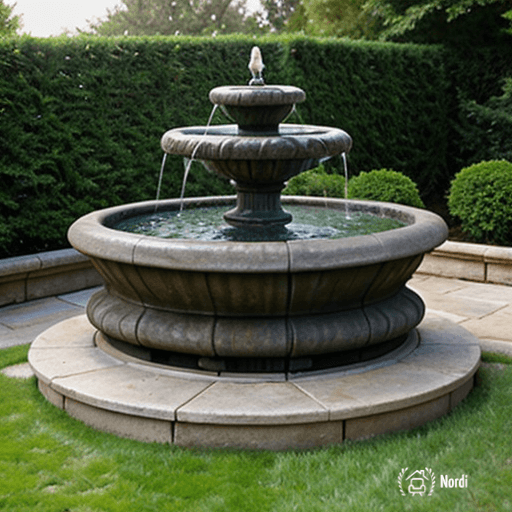
2. Springs: Naturalness and beauty
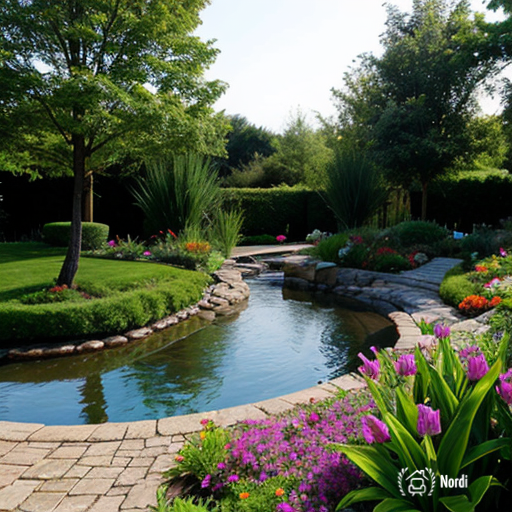
The idea of using artificial or real springs is suitable for natural landscapes, gardens and park areas.
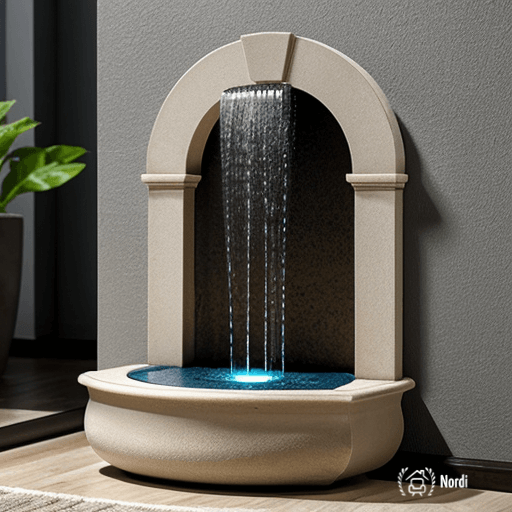
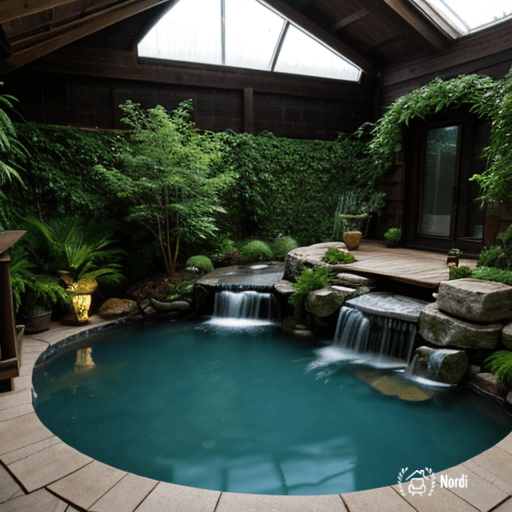
Creating mini springs: the use of natural stones, plants and small water streams helps to emphasise the natural aesthetics of the site.
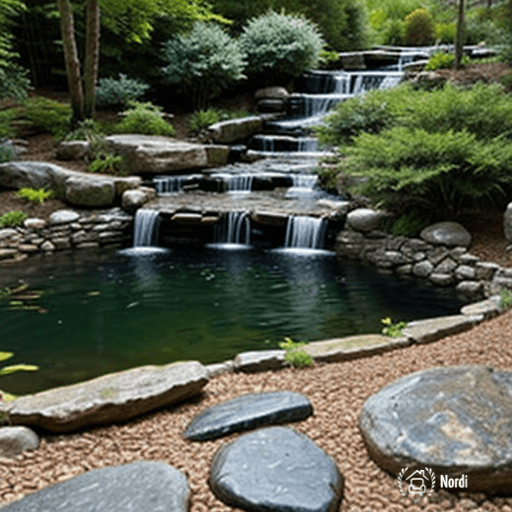
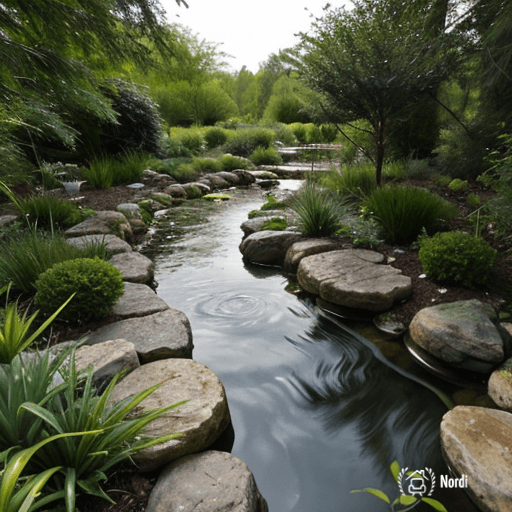
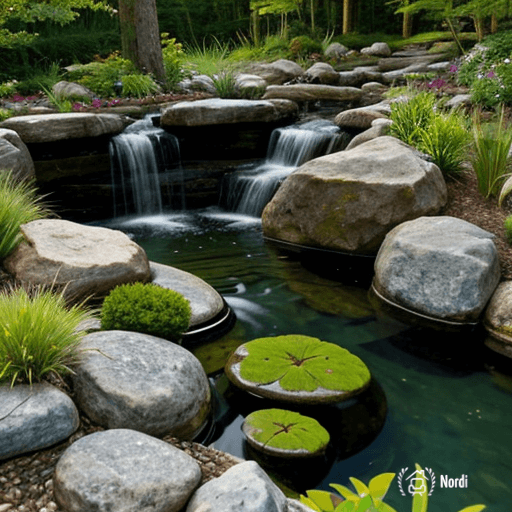
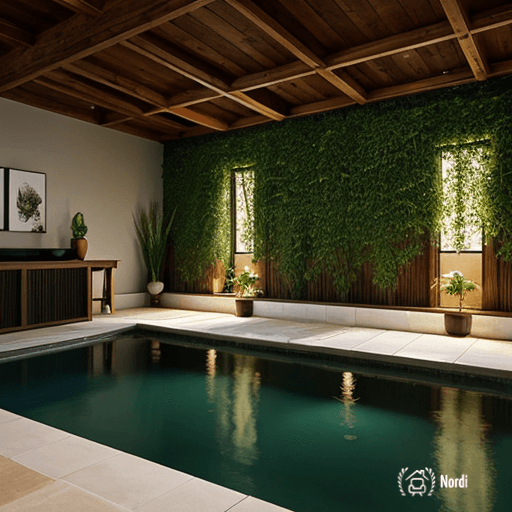
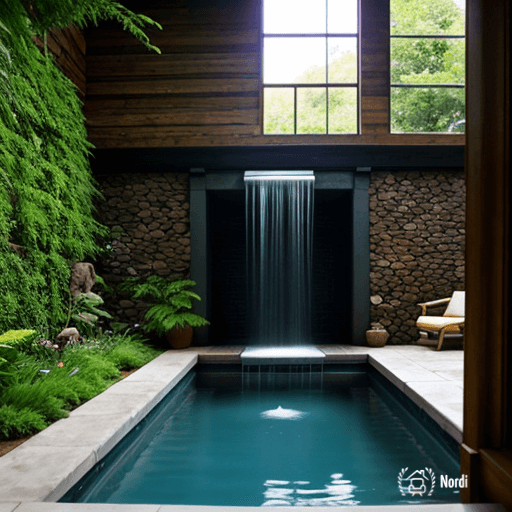
Indoor springs: a small water source inside a room, for example, in a relaxation area or lobby, will add natural freshness and uniqueness.
3. Water walls: Modernity and effectiveness
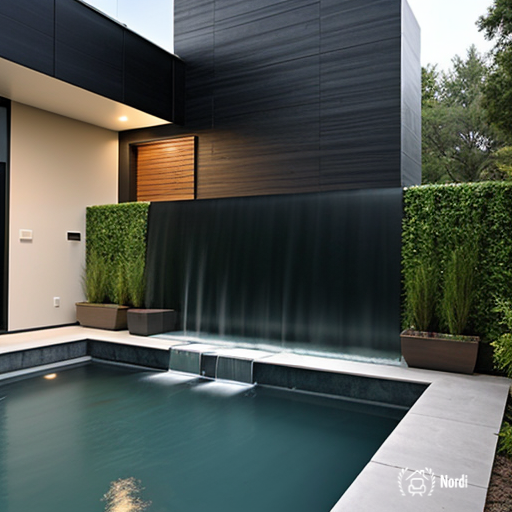
Water walls are modern design solutions that add sophistication and technological elegance to interiors or exterior spaces.
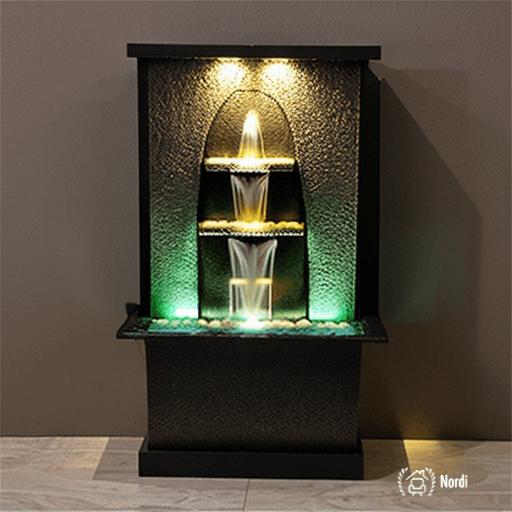
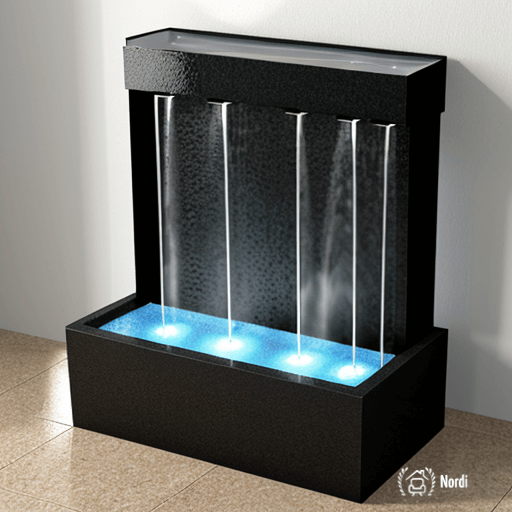
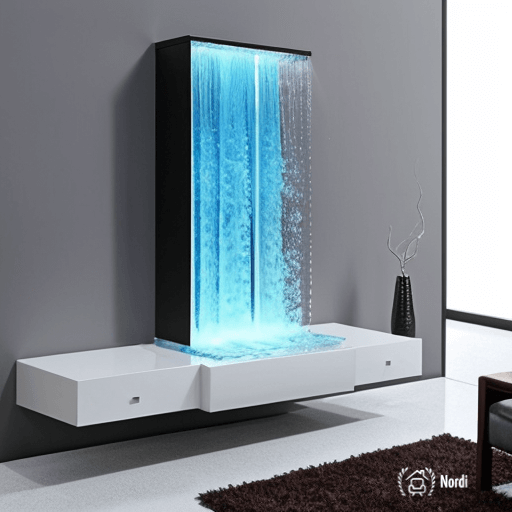
Interior water walls: Mounted on the wall, they create the effect of moving water. They can be made of glass, metal or stone with lighting, which makes them particularly effective in a modern style.
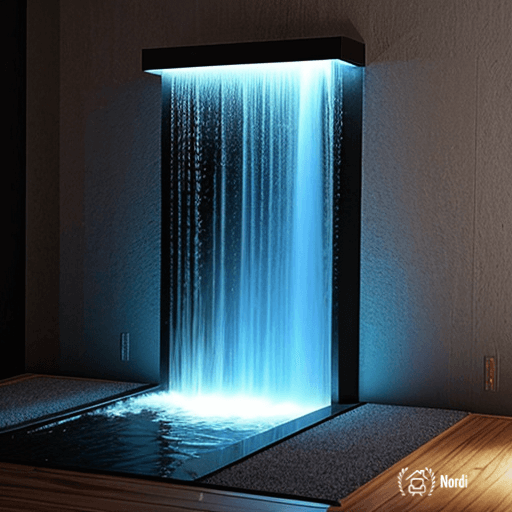
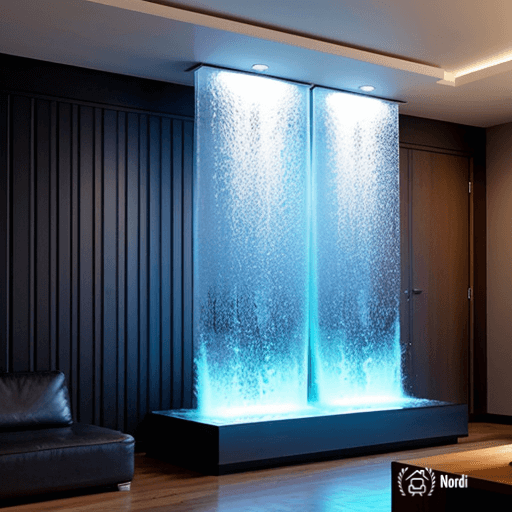
External water walls: large water structures on the façade or in the garden create the effect of a powerful water flow that attracts attention and enhances the feeling of vigour.
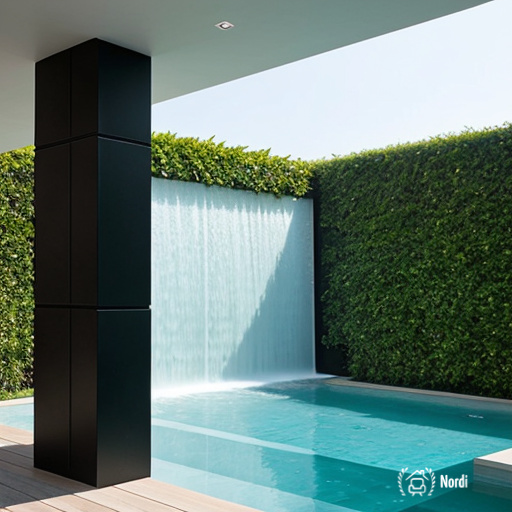
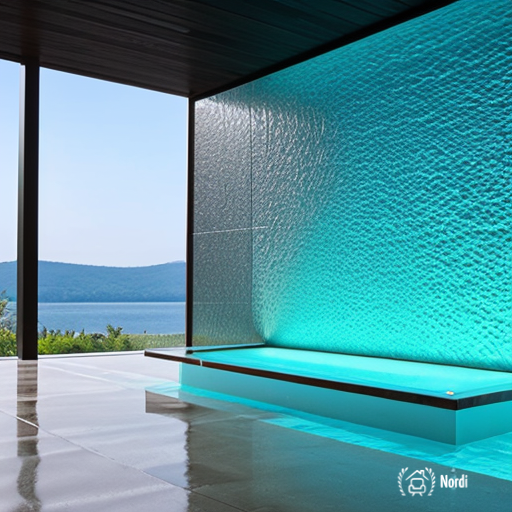
4. Important tips for using water in design
Consider the climate: heating systems or special materials are required for external water features in cold regions.
Ensure safety: especially in areas with children — avoid sharp corners and create safe structures.
Keep it clean: regular maintenance and water filtration will maintain aesthetics and hygiene.
Use lighting: lighting effects will emphasise the beauty of water and create an impressive atmosphere in the evening.
Integrate with nature: combine water elements with plants and landscape design to achieve harmony.
Conclusion
Using water in design is a great way to enliven a space, giving it dynamism and emotional richness. Fountains, springs and water walls can be both striking highlights and a harmonious part of the overall style of your home or garden. The right choice and skilful design of water features will create a feeling of comfort, lustre and natural beauty that will delight you for many years to come.
One response to “Water in design: fountains, springs and walls”
Creation, purification and renewal in just a drop of water.
Indeed a fundamental source of life to bring inside a domestic spot and where inhabitants can sight it.
In the end it is one of the four classic elements.
Three more elements to work on design.
Great presentation Nordi. Thanks